
Son Heung-min FIFA World Cup 2026: South Korea’s Captain
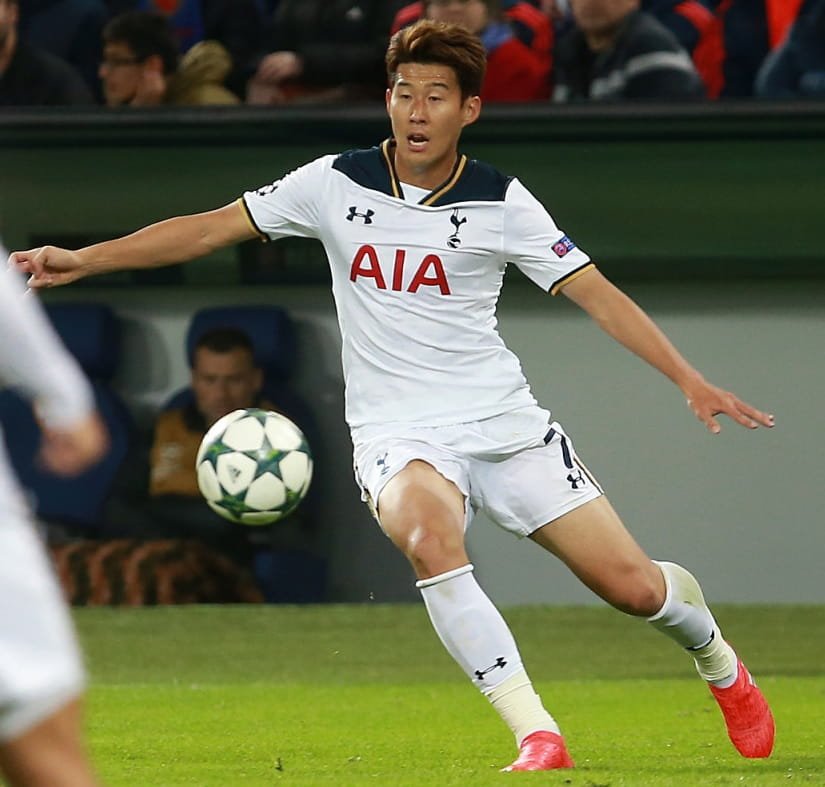
Son Heung-min enters the FIFA World Cup 2026 as South Korea’s captain, all-time icon, and one of Asia’s greatest footballers. FIFA has described this tournament as potentially his final World Cup, making it one of the strongest legacy-driven player topics for your website.
| Detail | Info |
|---|---|
| Full Name | Son Heung-min (손흥민) |
| Date of Birth | July 8, 1992 |
| Age at 2026 World Cup | 33 (turns 34 during the tournament) |
| Birthplace | Chuncheon, Gangwon, South Korea |
| Nationality | South Korean |
| Club | Los Angeles FC (MLS) |
| Position | Left Winger / Forward |
| Height | 1.83 m (6 ft 0 in) |
| Preferred Foot | Both (genuinely two-footed) |
| Jersey Number | 7 (LAFC & South Korea) |
| International Caps | 140+ |
| International Goals | 50+ |
| Career Club Goals | 250+ |
| World Cup Appearances | 4 (2014, 2018, 2022, 2026) |
| Market Value | €18 million (2026) |
The Last Dance of a Legend
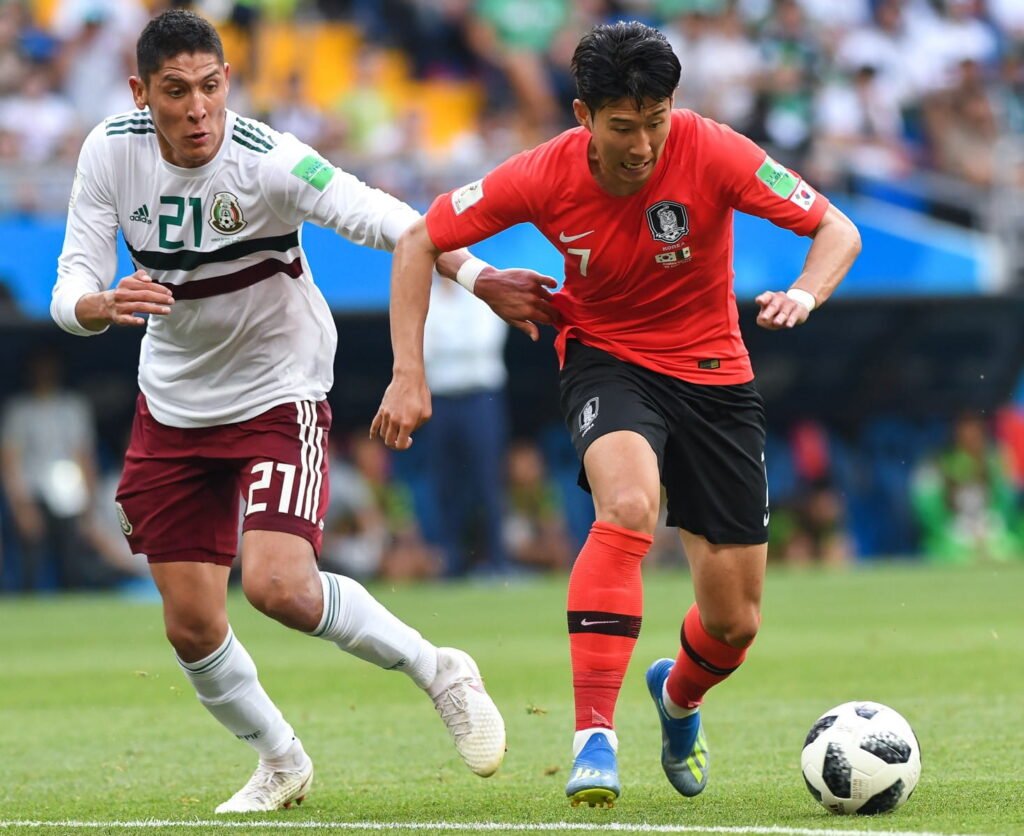
“This could be my last World Cup. I’m hoping for a wonderful journey.”
Five words. No elaboration. No dramatics. Just Son Heung-min, in a brief interview with FIFA, saying the truest thing anyone could say ahead of the 2026 tournament.
At 33 years old — turning 34 on July 8, midway through the competition — Son Heung-min FIFA World Cup 2026: South Korea’s Captain carries something heavier than a squad. He carries a generation’s worth of hope, a nation’s expectation, and a personal story that has never once taken the easy path.
South Korea open against Czechia on June 11 in Guadalajara. Then Mexico on June 18. Then South Africa on June 24. For a group that believes anything is possible, Son is the compass, the captain, and the constant. The player who has been at every World Cup since 2014, who wore a protective mask through a fractured eye socket in Qatar, who trained barefoot in the rain as a child, and who finally lifted his first major trophy at 32 — after a decade of waiting.
He is ready. Whether football is ready to give him his moment is another question entirely.
Tiger Dad: The Training That Made Him
Son Heung-min’s two-footedness is genuinely extraordinary. He can strike, cross, and finish with both feet at elite level — a quality that makes him nearly impossible to defend in tight spaces. That didn’t happen by accident.
His father, Son Woong-jung, was a professional footballer in South Korea until injury ended his career at 28. Determined that his sons would not waste their potential, he developed an intensive training method built entirely on repetition, discipline, and both-footed mastery.
He would have young Heung-min perform thousands of touches with each foot, day after day, before school and after it. He is widely known as a “Tiger Dad” — someone who believed genius is not inherited, but manufactured through relentless effort. Son has credited this upbringing consistently, calling his father the single most important person in his development as a footballer.
The training was demanding beyond what most childhood academies would allow. However, the results are undeniable. The left-footed right-footed fluency Son displays in the Premier League and now in MLS traces directly back to those thousands of repetitions as a child in Chuncheon, South Korea.
From Chuncheon to Hamburg: The Leap at Sixteen
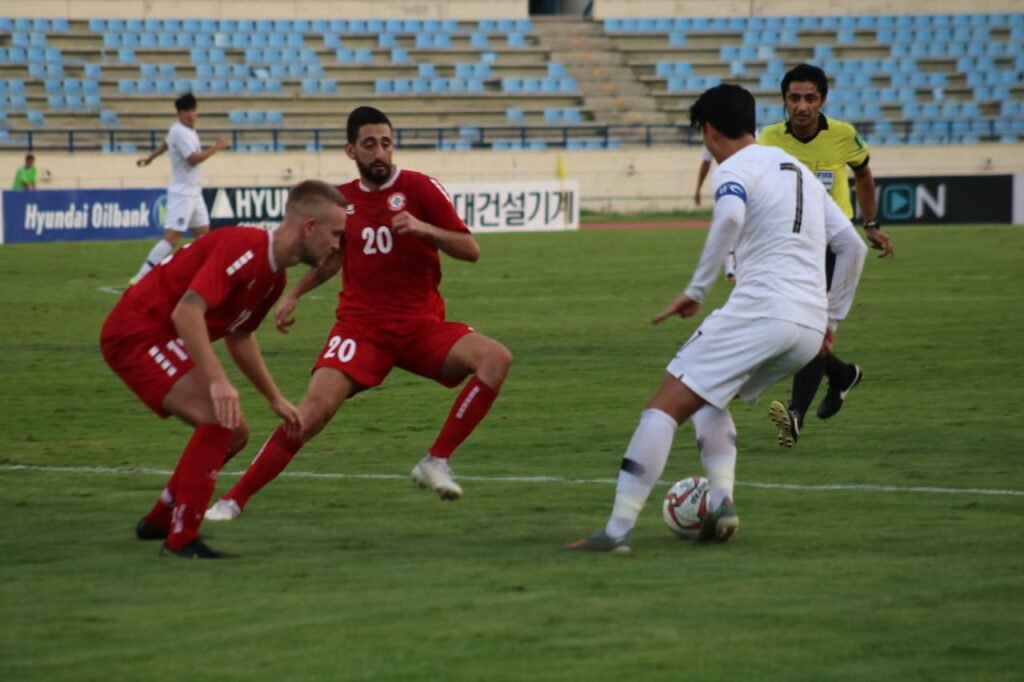
At age 16, Son Heung-min left South Korea to join Hamburg SV’s youth academy in Germany. He spoke no German. He knew almost nobody. Arrived alone in a foreign country, in a culture completely unlike the one he had grown up in, and began competing in Europe’s most demanding football environment.
That move — at an age when most teenagers are still in secondary school — required a courage that is easy to overlook when watching a confident 33-year-old captain stride out at a World Cup. However, everything that followed began with that decision.
He made his senior professional debut for Hamburg in 2010 at 17. By 2013, Bayer Leverkusen paid €12.5 million for him. In 2015, Tottenham paid €30 million. By 2022, he was lifting a Premier League Golden Boot — the first Asian player in history to win it.
None of it was inevitable. All of it was earned.
Career Timeline: Hamburg to Hollywood
2010–2013 — Hamburger SV Three seasons as a teenager in the Bundesliga. He scored 12 league goals and proved his technical quality was genuine against elite European competition.
2013–2015 — Bayer Leverkusen Twenty-one goals in 62 appearances across all competitions. More importantly, his movement, pace, and two-footed attacking quality convinced Tottenham Hotspur to invest heavily in him.
2015–2025 — Tottenham Hotspur Ten years. 173 goals. 101 assists. The entire history of Spurs’ most decorated modern era runs through his career. He scored every kind of goal imaginable — volleys, chips, long-range efforts, Puskas-winning solo runs. He became a first Asian player to reach 100 Premier League goals. Became captain. He eventually lifted the first major trophy of his career, and Spurs’ first in 17 years: the UEFA Europa League in May 2025.
2025–Present — Los Angeles FC After a farewell in Seoul that drew tears from both the player and the crowd, Son joined LAFC. In 2025, he scored 12 goals in 13 games — a rate second only to Lionel Messi in MLS. He is not winding down. He is still finishing.
The Complete Forward: Playing Style
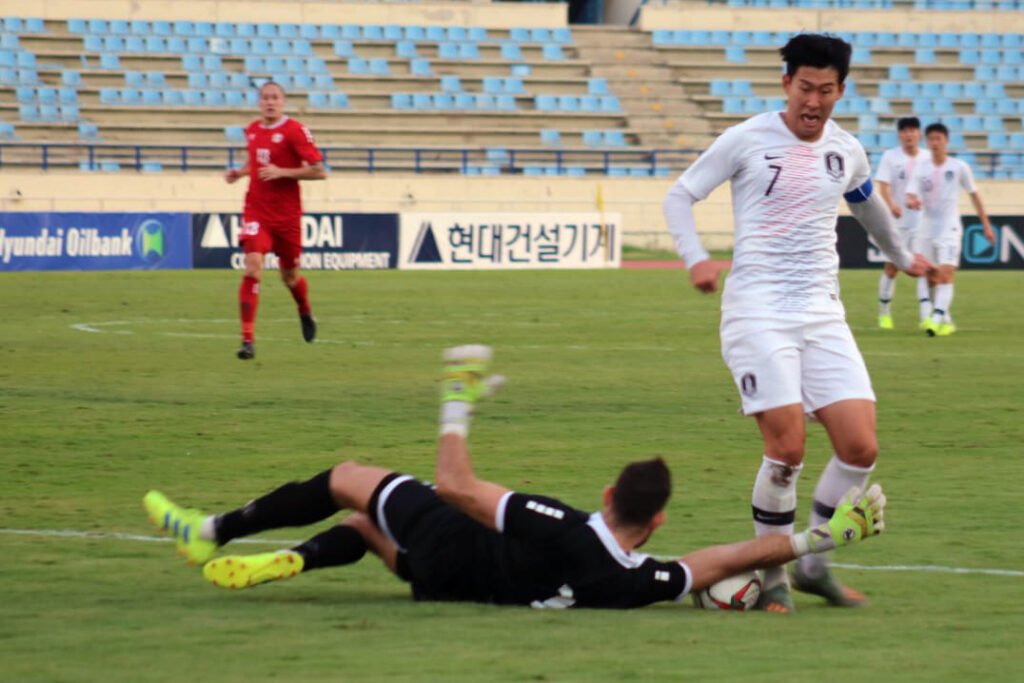
Technically gifted players. There are fast players. There are players who press well and contribute defensively. Son Heung-min is all three simultaneously — which is what has made him one of the most effective forwards in the world for a sustained period.
He drifts from the left into central positions, using either foot to shoot, to pass, or to create. Because defenders cannot commit to covering one side, he always has an option. His first touch under pressure is elite — controlled, directed, and immediately facing toward goal.
His combination with Harry Kane at Tottenham was statistically the most prolific forward partnership in Premier League history. Together they contributed 47 direct assists to one another and a combined 340 goals. Son’s intelligent runs behind defensive lines, combined with Kane’s ability to hold the ball and time the pass, was genuinely undefendable at its peak.
At 33, his raw pace has moderated slightly. However, his positioning, reading of the game, and finishing have never been sharper. He also remains fully two-footed — a quality that very few players at any age retain.
Strengths: Two-footed finishing, movement, pressing, dribbling, big-game performance Weaknesses: Physical aerial duels against tall centre-backs, slight pace reduction with age
Trophies and Titles
Club Honours
| Trophy | Club | Year |
|---|---|---|
| UEFA Europa League | Tottenham Hotspur | 2024–25 |
| 2018 Asian Games Gold Medal | South Korea | 2018 |
Individual Awards
| Award | Year(s) |
|---|---|
| Premier League Golden Boot | 2021–22 (co-winner with Salah) |
| FIFA Puskas Award (Best Goal) | 2020 |
| AFC Asian Player of the Year | 2015, 2017, 2019, 2022 |
| PFA Team of the Year | 2021–22 |
| Tottenham Player of the Year | Multiple |
| South Korea’s Most Capped Player (Record) | 2025 |
| First Asian to Win Premier League Golden Boot | 2022 |
| First Asian to Score 100 Premier League Goals | 2023 |
The trophy cabinet, by the standards of his talent and a decade at one club, tells only part of the story. For years, Tottenham’s failure to win silverware felt like football’s cruellest running joke — a team always promising, never delivering. When the Europa League finally arrived in May 2025, Son was the one lifting it. Ten years of patience, repaid in one moment.
The Injuries That Tested His Resilience
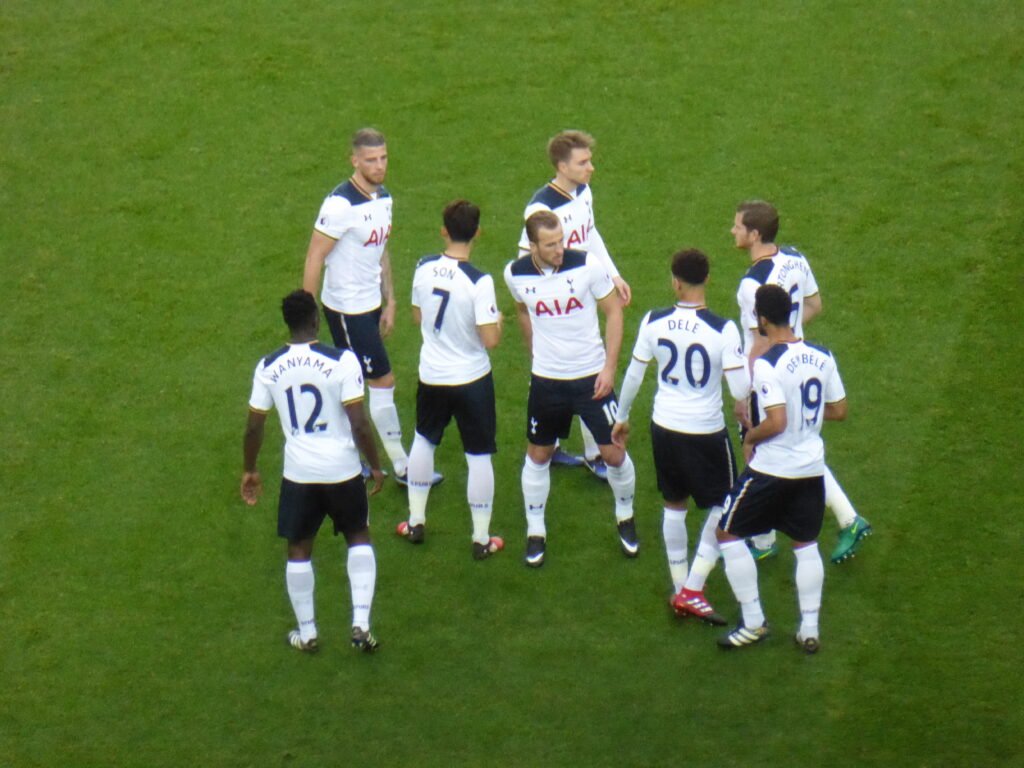
Son’s durability across a 15-year professional career is remarkable. However, the moments when his body gave way have always arrived at the worst possible times.
2020 — Broken Arm (Aston Villa) A collision in February 2020 left Son with a broken arm, ruling him out for the remainder of the season. Fortunately, the COVID-19 pandemic suspension meant he missed less football than the injury otherwise would have cost him.
2022 — Fractured Eye Socket (Champions League) While playing for Tottenham against Marseille in the Champions League, Son suffered a fractured eye socket. He underwent surgery within days and flew to Qatar with the rest of South Korea’s squad — wearing a specially made protective mask throughout the entire tournament. He played every match. Played through pain. He led his country with his face hidden behind a mask, and not once used the injury as an excuse.
2025 — Foot Injuries (End of Tottenham Career) In the final months of his Tottenham career, Son suffered two separate foot complaints between April and May 2025, affecting his availability before his departure to LAFC. Both resolved fully before he made his MLS debut in August 2025.
The Gold Medal That Saved His Career
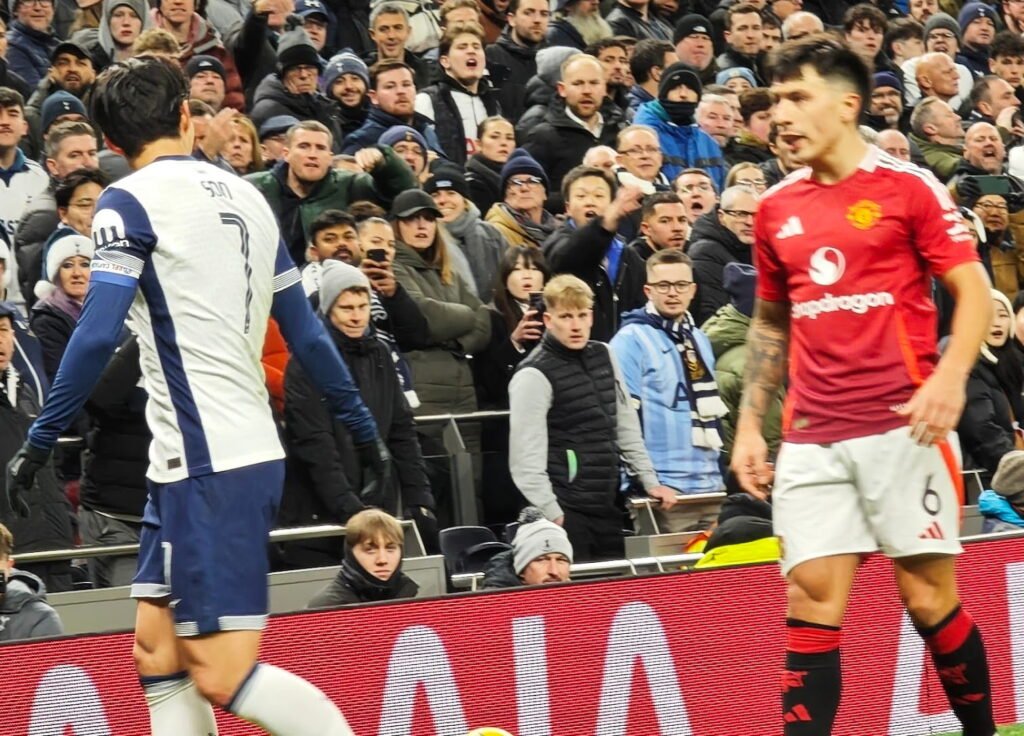
In 2018, South Korea competed in the Asian Games in Indonesia. Son Heung-min was 25 — an overage player — and every South Korean man understood exactly what was at stake. Under Korean law, male citizens must complete approximately 21 months of compulsory military service before turning 28. Athletes who win a gold medal at the Asian Games, however, receive an exemption.
If South Korea didn’t win gold, Son faced a 21-month absence from professional football at the absolute peak of his career. Tottenham, by allowing him to go, were essentially betting on a result they had no control over.
South Korea faced Japan in the final. The match went to extra time. Son assisted both goals — for Lee Seung-woo and Hwang Hee-chan. South Korea won 2-1. The exemption was confirmed.
When the final whistle blew, Son broke down in tears. The weight of what had just happened — not just for him, but for every player on that squad — was visible in that single image. After winning gold, he still completed three weeks of basic military training and approximately 500 hours of community service. Then he went back to Tottenham, and scored 12 goals in his next Premier League season.
World Cup Legacy: Three Tournaments and One Historic Night
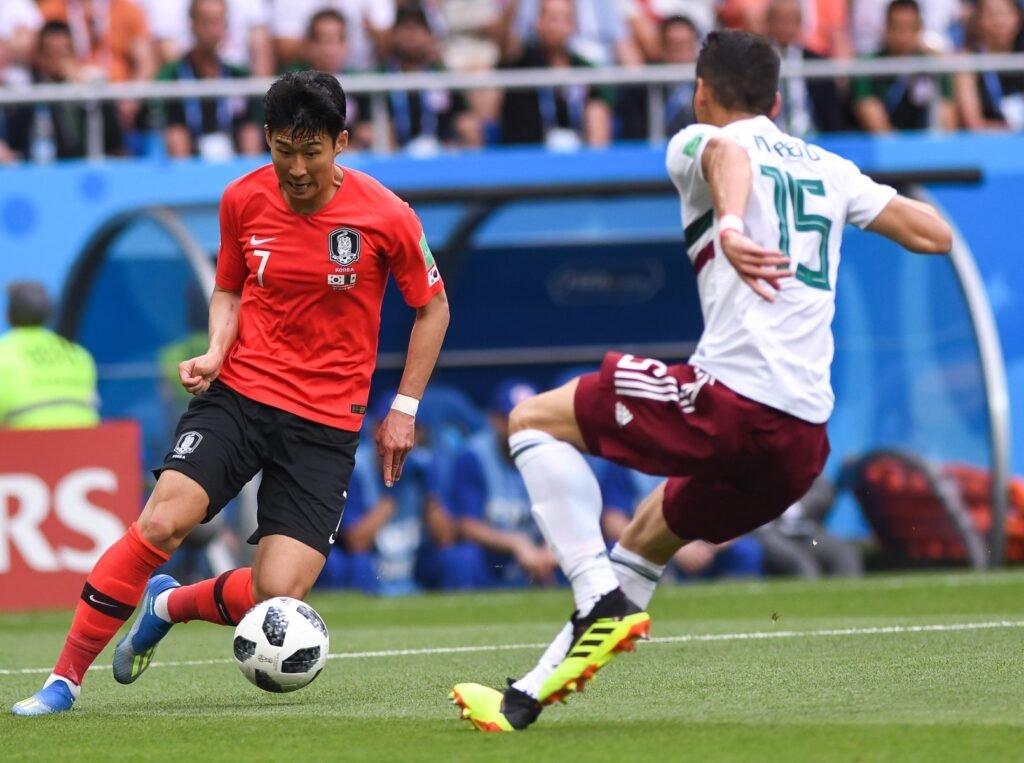
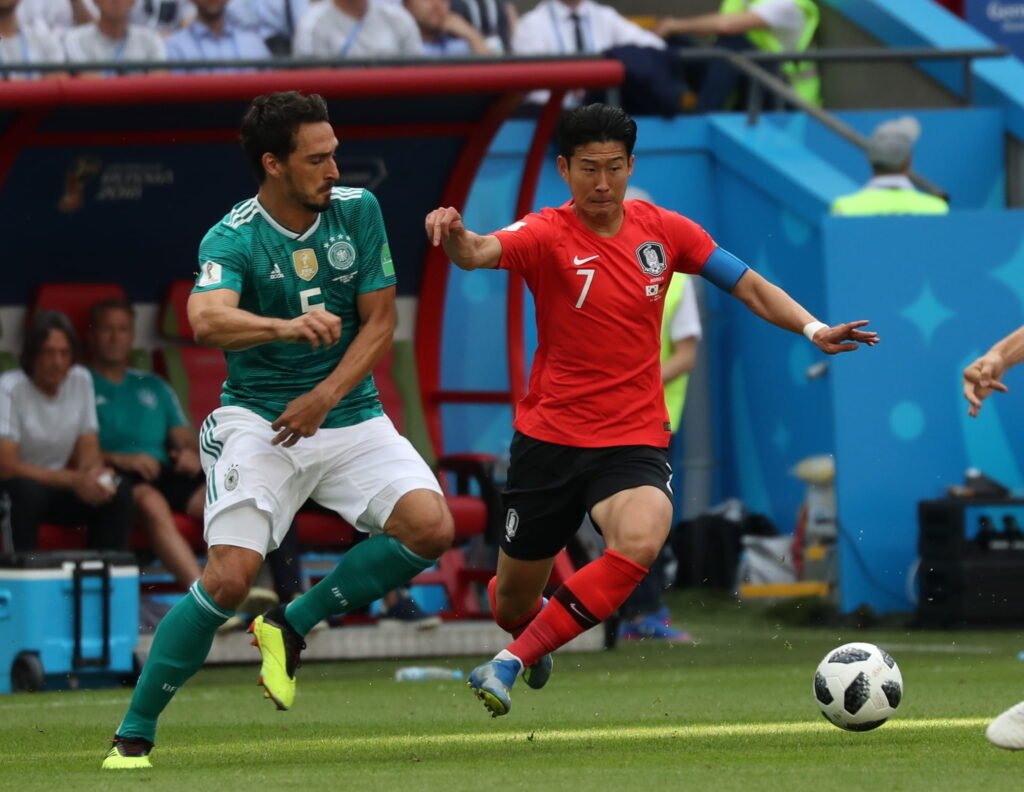
In 2014 and 2018, South Korea exited in the group stage. However, 2018 produced one of the greatest World Cup moments in Asian football history — South Korea beat Germany 2-0 in the final group match, eliminating the world champions. Son had a role in both goals.
In 2022, Son played the entire tournament wearing a protective mask after his fractured eye socket. South Korea qualified for the round of sixteen dramatically, beating Portugal in the last group game. They then faced Brazil and lost 4-1 — a painful end, but a respectable campaign for a team led by a player playing through significant facial injury.
Three World Cups. Three group stage battles. One round of sixteen. Always South Korea’s captain when the moment mattered most.
Son Heung-min FIFA World Cup 2026: South Korea’s Final Push
Son Heung-min FIFA World Cup 2026: South Korea’s Captain enters the most important tournament of his life with a squad that combines experience and genuine young talent. Kim Min-jae anchors the defence from Bayern Munich. Lee Kang-in provides creativity from PSG. Hwang Hee-chan adds pace from Wolverhampton. Around Son’s leadership, this team has real depth.
South Korea’s group fixtures in Mexico — Czechia, Mexico, and South Africa — are demanding but winnable. Under coach Hong Myung-bo (who, remarkably, Son’s current captain’s record was broken against — Hong held the previous record with 136 caps), the tactical structure is built around Son’s ability to create and finish from the left.
The 2002 World Cup semi-final, co-hosted with Japan, is the benchmark Son has always referenced. He was nine years old when South Korea reached that semi-final in front of their own nation. For 24 years, South Korean football has been trying to recreate it. Son has been trying his whole career.
If this truly is his last World Cup — and he has said it openly — then everything about 2026 is shaped by that truth.
Career Stats
| Competition | Appearances | Goals | Assists |
|---|---|---|---|
| Premier League (Tottenham) | 303+ | 163+ | 88+ |
| UEFA Champions / Europa League | 65+ | 24+ | 14+ |
| Tottenham (All Competitions) | 433+ | 173+ | 101+ |
| MLS (LAFC) | 20+ | 12+ | 6+ |
| South Korea International | 140+ | 50+ | 35+ |
| FIFA World Cup (2014–2022) | 14 | 3 | 3 |
Stats accurate to May 2026. 2026 tournament stats pending.
Fun Facts: The Man Behind the Captain
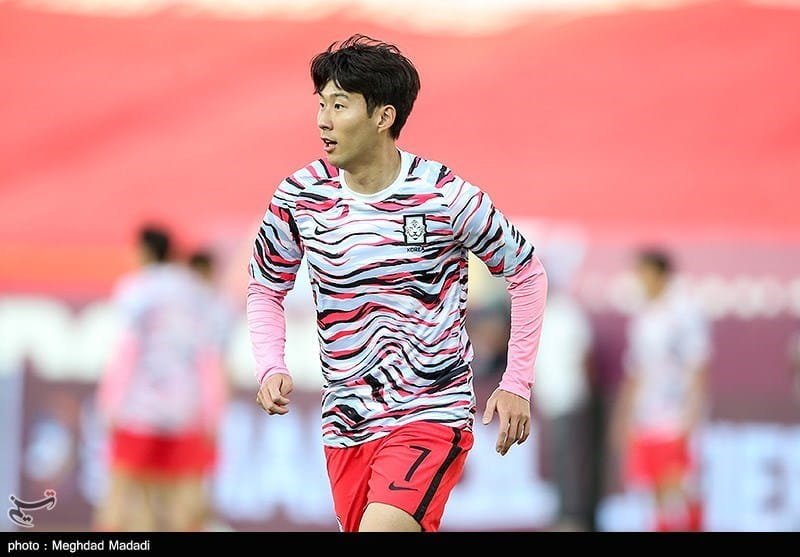
- Son is genuinely two-footed — a quality his father built through thousands of daily repetitions starting when Heung-min was a child in Chuncheon.
- His 2020 Puskas Award goal — a 71-yard solo run against Burnley, during which he beat five defenders before finishing — is widely regarded as one of the greatest Premier League goals ever scored.
- He turns 34 on July 8, 2026 — right in the middle of the World Cup tournament.
- He moved to Germany at 16, speaking no German, to join Hamburg SV’s youth academy alone.
- The Son–Kane partnership at Tottenham — 47 direct assists to each other, 340 combined goals — is the most prolific two-player partnership in Premier League history.
- Son became South Korea’s most capped men’s player in 2025, surpassing a record jointly held by his current coach Hong Myung-bo and former striker Cha Bum-kun.
- He wore a protective mask through the entire 2022 World Cup after fracturing his eye socket, and never once asked to be substituted because of it.
- South Korea’s 2002 semi-final run — when Son was just nine years old — is his stated motivation for every World Cup he has played in.
The Legacy That Outlasts Any Trophy
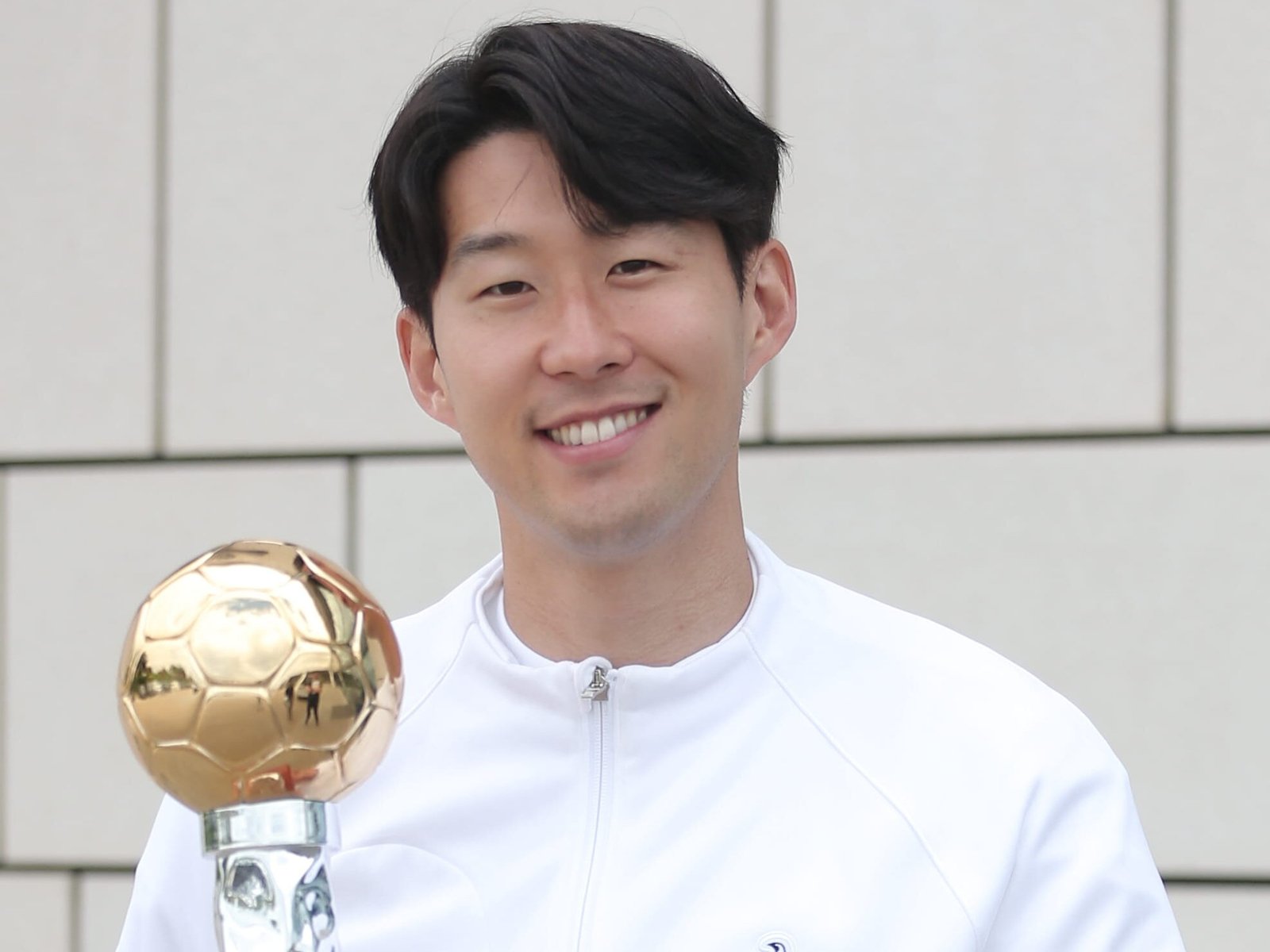
When future generations of South Korean children grow up and decide they want to be footballers, the name they will most often mention will be Son Heung-min.
Not because of what he won. Not because of the Premier League Golden Boot or the Europa League medal or the Puskas Award. But because of what he represented — a footballer from a small city in Gangwon Province who moved to Germany alone at 16, who trained through tears and ice and barefoot drills, who played through a fractured eye socket in a World Cup, who waited 10 years for a trophy without ever becoming bitter.
At Son Heung-min FIFA World Cup 2026: South Korea’s Captain, the football world will see a player who has already given everything. The question is simply whether there is one chapter left — one run, one tournament, one moment — that completes the story the way it deserves to be completed.
He said it himself. A wonderful journey. That is all he is asking for.
Frequently Asked Questions About Son Heung-min
❓ Is the 2026 World Cup Son Heung-min’s last?
Son has stated publicly that the 2026 FIFA World Cup could be the final World Cup of his career. In a FIFA interview ahead of the tournament, he said: “This could be my last World Cup. I’m hoping for a wonderful journey.” At 33 years old, turning 34 in July 2026, a fifth World Cup in 2030 would be unlikely. His own words suggest he views 2026 as his definitive final chapter on football’s greatest stage.
❓ What trophies has Son Heung-min won?
Son won the UEFA Europa League with Tottenham Hotspur in May 2025 — a 1-0 victory over Manchester United in the final. It was Tottenham’s first major trophy since 2008 and the first of Son’s professional career, after ten years at the club. Internationally, he won a gold medal with South Korea at the 2018 Asian Games in Indonesia, which also earned the squad exemption from full mandatory military service.
❓ Why is Son Heung-min’s 2018 Asian Games gold medal so significant?
Under South Korean law, all male citizens must complete approximately 21 months of compulsory military service before turning 28. Athletes who win an Asian Games gold medal receive an exemption. At 25, Son faced the prospect of missing nearly two years of professional football at the peak of his career if South Korea didn’t win gold. They beat Japan 2-1 in extra time in the final — Son assisted both goals — and when the final whistle blew, he broke down in tears on the pitch. The gold medal effectively saved his professional career from a career-defining interruption.
More Questions About Son Heung-min and FIFA World Cup 2026
❓ How many World Cups has Son Heung-min played in?
The 2026 tournament is Son’s fourth FIFA World Cup. He previously appeared at Brazil 2014, Russia 2018, and Qatar 2022. In 2022, he played the entire tournament with a protective mask after fracturing his eye socket just weeks before the competition began. South Korea reached the round of sixteen in 2022 before losing to Brazil 4-1.
❓ What club does Son Heung-min play for in 2026?
Son plays for Los Angeles FC in Major League Soccer, having joined the club in August 2025 after leaving Tottenham Hotspur. He scored 12 goals in 13 games in his debut 2025 MLS season — the second-best goal contribution rate in the league, behind only Lionel Messi. He signed a contract running through 2027 with a club option for two further years.
❓ Is Son Heung-min genuinely two-footed?
Yes. Son is one of the few elite players in world football who is authentically equally dangerous with both feet. This quality was developed by his father Son Woong-jung, a former professional footballer who trained him from childhood using intensive two-footed repetition drills. The result is a winger who can cut inside from the left onto his right foot or drive into the penalty area on his left — making him one of the hardest forwards in the world to defend one-on-one.
❓ How many goals has Son Heung-min scored for South Korea?
Son has scored 50+ goals in 140+ international appearances for South Korea, making him one of the country’s greatest-ever scorers. He is also South Korea’s most capped men’s footballer of all time, having broken the joint record previously held by coach Hong Myung-bo and former striker Cha Bum-kun (both on 136 caps) in October 2025.
I am usually looking for new facts about this crucial theme, and am especially happy when I
locate websites which have been well-written and well-researched.
I want to thank you for providing this kind of exceptional data, and I take a look onward to learning much more
right from the weblog in the long term.