
Haiti FIFA World Cup 2026 – 52 Years, No Home Games and the Most Inspiring Qualification Story at the Tournament
The Haiti FIFA World Cup 2026 story does not begin in a stadium. Furthermore, it does not begin in a training ground or a capital city. It begins in Curaçao.
Remarkably, Haiti played all their qualifying games outside the country — proving the resilience of this team in extraordinary circumstances. Moreover, political unrest and security challenges made it impossible for Les Grenadiers to play a single competitive home match throughout the entire qualification campaign. Furthermore, French head coach Sébastien Migné has never been to Haiti. He qualified an entire nation for the World Cup without once setting foot in the country he represented.
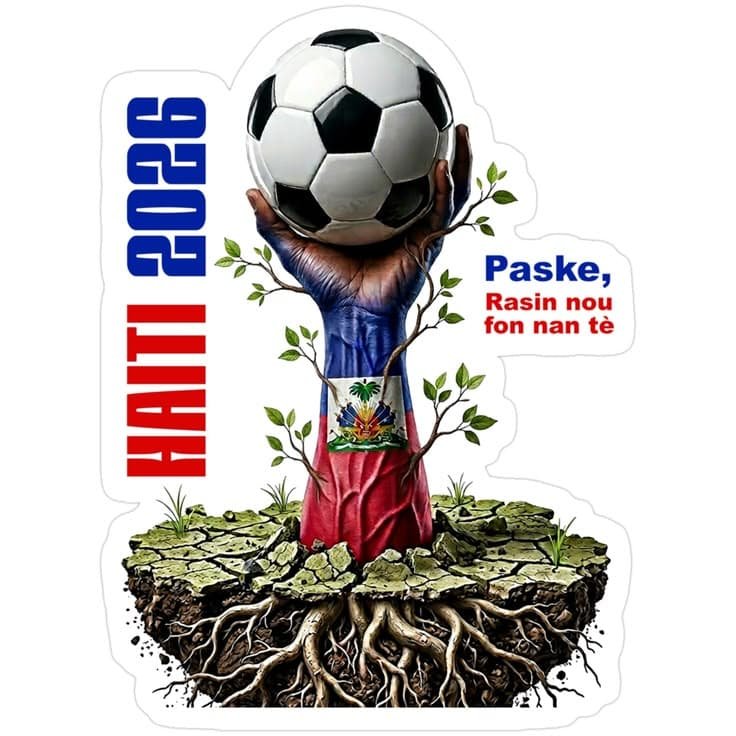
Nevertheless, on the final day of CONCACAF qualifying, Haiti topped their group. Furthermore, Haiti will make only their second appearance at the FIFA World Cup — and their first in 52 years. Moreover, the whole Caribbean erupted simultaneously when the final whistle confirmed it. As a result, the Haiti FIFA World Cup 2026 campaign represents something far more powerful than football. It represents an entire nation — battered by poverty, earthquakes, political violence and decades of hardship — finding one collective moment of pure joy.
Consequently, when Les Grenadiers walk onto the pitch on June 14 in Boston against Scotland, they carry the hopes of 12 million Haitian people. Furthermore, they carry the memory of Emmanuel Sanon — the man who scored against Italy in 1974 and ended Dino Zoff’s legendary clean-sheet streak. Above all, they carry the proof that belief, resilience and collective spirit can achieve the impossible.
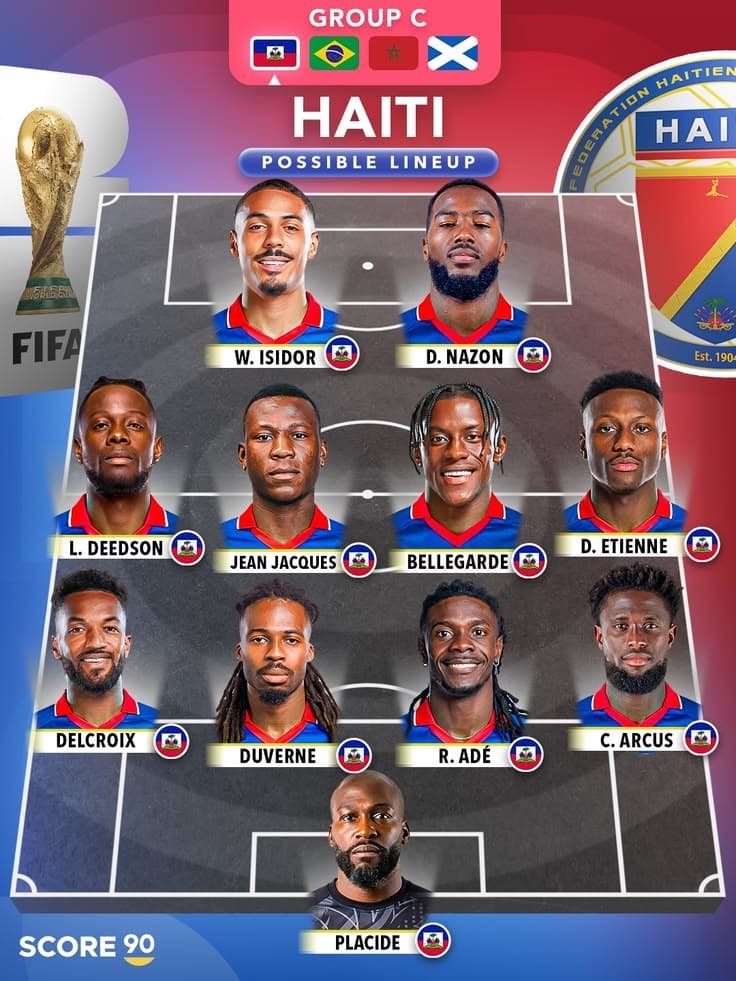
Quick Facts
| FIFA Ranking | #83 | Coach | Sébastien Migné |
| Group | Group C | Captain | Johny Placide |
| World Cup Appearances | 2 (1974, 2026) | Last Appearance | 52 years ago |
| First Match | June 14 vs Scotland | Star Player | Wilson Isidor |
Haiti FIFA World Cup 2026 Key Players
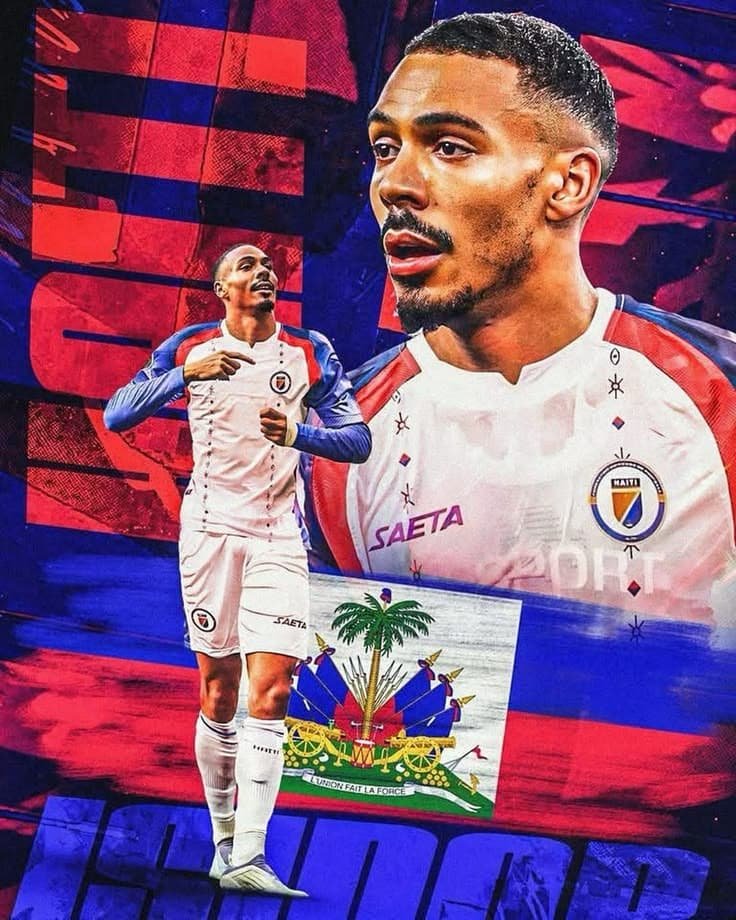
Wilson Isidor — Haiti’s Star Striker and the Player Who Chose His Roots
Wilson Isidor is as excellent a footballer as Haiti have ever produced. Off the back of a great campaign at Sunderland, the country will be hoping for the forward to spring a surprise against some of the big boys.
Furthermore, his story carries enormous personal significance. Isidor recently switched allegiance from France to Haiti and made his debut for his new nation in March. Moreover, his decision to represent Haiti rather than France — the country where he grew up and developed as a player — mirrors exactly the kind of commitment to roots and identity that defines this entire squad. As a result, his arrival gives Haiti an attacking weapon of genuine European quality that qualifying opponents simply could not contain.
Isidor stands out because of his pace, physical strength and ability to attack spaces behind opposing defences. His constant movement and aggressiveness inside the box make him a key piece of Les Grenadiers’ attack. Furthermore, against Scotland on June 14 in Boston, his pace running in behind will give the Scottish backline problems that no tactical preparation can fully eliminate. Consequently, if Haiti are to cause a shock at this tournament, Isidor will be the player who makes it happen.
Duckens Nazon — Haiti’s All-Time Leading Goalscorer
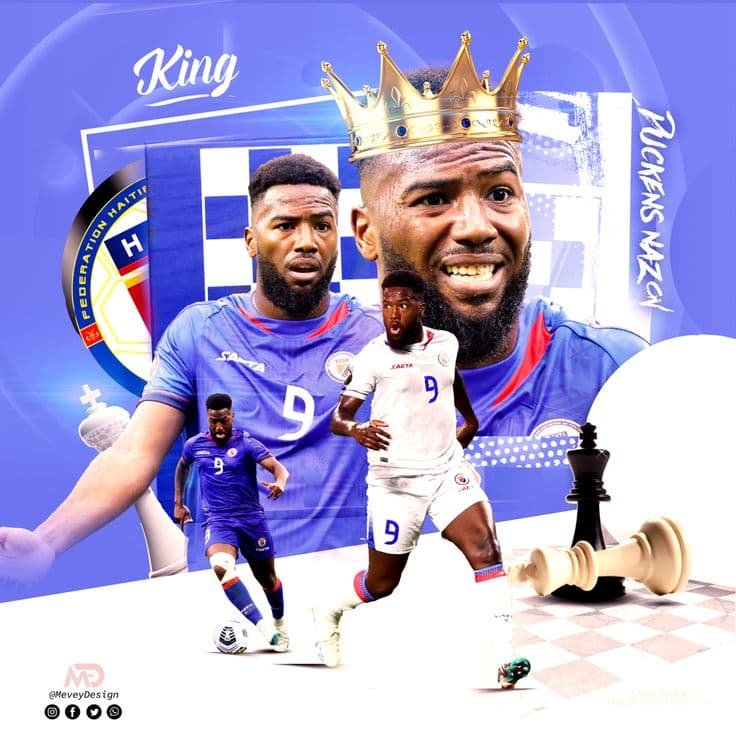
Duckens Nazon is Haiti’s all-time leading goalscorer and was instrumental in their qualifying campaign, scoring six goals including a hat-trick against Costa Rica. Furthermore, that hat-trick against Costa Rica — a CONCACAF nation with significantly more World Cup experience — announced Haiti’s attacking quality to the world in a single match. Moreover, his experience across French and Belgian football gives him the technical foundation that international tournament matches demand.
As a result, alongside Isidor, Nazon gives Haiti two very different attacking profiles. Isidor provides pace and physical power. Nazon provides intelligent movement, clinical finishing and the experience of having scored goals at every level he has competed at. Furthermore, their partnership creates problems that opponents cannot defend against with a single approach. Consequently, Haiti’s attack is significantly more dangerous than their ranking of 83rd in the world suggests.
Jean-Ricner Bellegarde — Haiti’s Premier League Midfielder
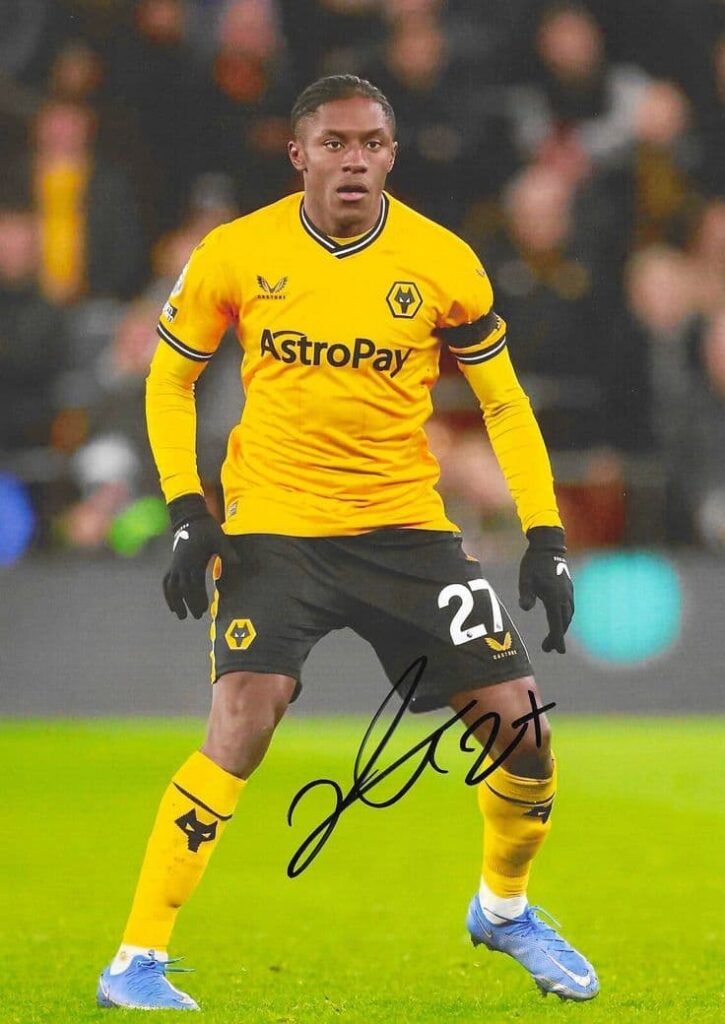
Premier League star Jean-Ricner Bellegarde of Wolverhampton Wanderers features prominently in Haiti’s midfield. Furthermore, his Premier League experience — competing against the best midfielders in English football every week — gives Haiti a technical standard in central midfield that elevates the entire squad. Moreover, his ability to press aggressively, win second balls and drive forward with purpose makes him the engine that connects Haiti’s defensive organisation to their attacking threat.
As a result, when Haiti press Brazil and Morocco in transitions, Bellegarde’s energy and intensity will be the quality that gives those presses genuine teeth. Furthermore, his Wolves experience means that the World Cup stage will not overwhelm him. Consequently, he represents exactly the kind of European-based player that transforms competitive CONCACAF nations into genuine tournament threats.
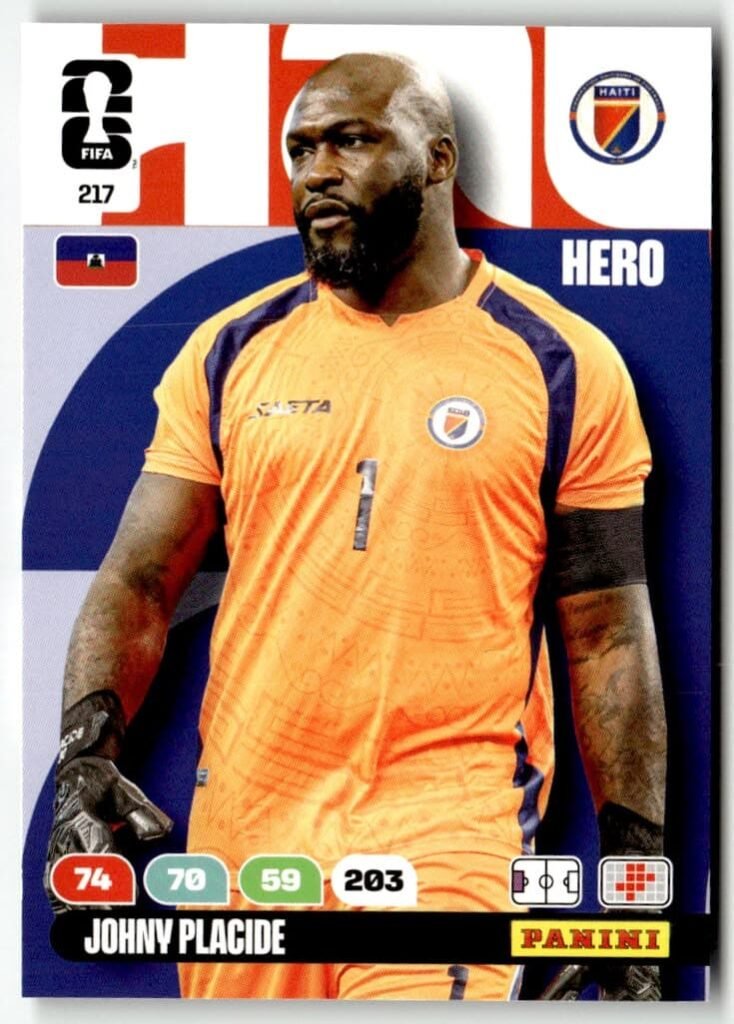
Johny Placide — Haiti’s Veteran Captain and Goalkeeper
Veteran goalkeeper and captain Johny Placide leads a team from clubs across Europe, North America and beyond. Furthermore, at 36 years old, his presence in goal gives Haiti the calm, experienced leadership that young squads desperately need in their first World Cup in 52 years. Moreover, his experience at SC Bastia in France means he understands the technical demands of European-level attacking football. As a result, when Brazil and Morocco attack Haiti’s goal, Placide’s composure in high-pressure situations will determine how many goals Haiti concede.
Woodensky Pierre — The Lone Domestic League Representative
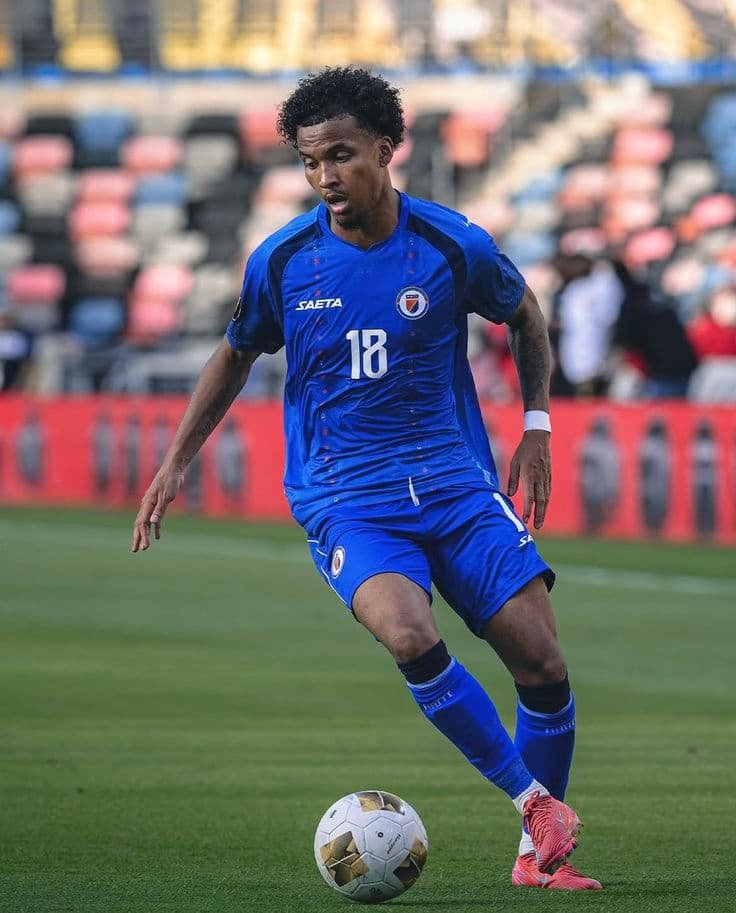
Woodensky Pierre from Haiti’s Violette Athletic Club is the only player from Haiti’s domestic league making the team. Furthermore, his inclusion carries enormous symbolic weight. Moreover, in a squad built entirely from diaspora talent across Europe, North America and beyond, Pierre represents the domestic football system that continues to develop players despite Haiti’s enormous challenges. As a result, when he steps onto a World Cup pitch, he carries the pride of every Haitian footballer who never got the chance to leave.
The Extraordinary Coach — Sébastien Migné and the Man Who Qualified a Country He Never Visited
Before discussing tactics, one story demands its own section entirely. Furthermore, it is the most remarkable coaching story at the entire 2026 World Cup.
French head coach Sébastien Migné has never been to Haiti. Moreover, despite not yet being able to step foot in Haiti due to the political unrest in the country, the 53-year-old Frenchman has achieved the unthinkable in leading Haiti to the World Cup finals. Furthermore, although this is his fourth job as a head coach with a senior men’s international team, this will be Migné’s first opportunity to coach at a World Cup.
Consequently, the journey to this tournament required Migné to build trust, connection and collective belief entirely through meetings, training camps and competitive matches played in other countries. Moreover, Migné largely stayed loyal to the core group of 22 players that carried Haiti through qualifying — reflecting his emphasis on continuity and chemistry. As a result, the squad he brings to North America is not simply a collection of talented individuals. It is a genuine team — united by shared experience, shared suffering and shared pride.
Haiti FIFA World Cup 2026 Tactics and Formation
How Migné Sets Up Haiti
Haiti’s playing style relies on quick transitions, aggressive pressing and direct attacks. Speed, physical intensity and vertical football define the collective identity. Furthermore, Migné builds his system around defensive compactness first and explosive transitions second. Moreover, a pragmatic approach helped Haiti overcome perceived stronger opponents in qualifying — with Migné ensuring his tactics were malleable but always defensively solid.
In other words — Haiti will not try to outplay Brazil or Morocco through possession. Instead, they will defend with discipline, press at the right moments and then attack immediately through Isidor’s pace and Nazon’s movement when possession is won. As a result, Haiti become most dangerous precisely in the transitions that possession-heavy teams like Brazil and Morocco are most vulnerable to.
Haiti’s Diaspora Identity
The roster reflects Haiti’s continued reliance on diaspora talent — a longstanding reality for the national team. Except for Woodensky Pierre, all players developed abroad, primarily in France, Belgium, England, Portugal, the United States and Canada.
Furthermore, that diaspora identity gives Haiti a technical and tactical versatility that purely domestic squads cannot develop. Moreover, players who compete across multiple European leagues bring different tactical systems, different physical conditioning methods and different competitive experiences. Consequently, Migné can draw on that diversity to create tactical flexibility that opposing coaches struggle to prepare for.
Haiti FIFA World Cup 2026 Group Stage Analysis
Group C Full Breakdown
| Team | FIFA Ranking | Strength Level | Key Player | Haiti’s Honest Assessment |
|---|---|---|---|---|
| 🇧🇷 Brazil | #6 | ⭐⭐⭐⭐⭐ | Vinícius Júnior | The hardest match — five-time world champions and Ancelotti’s system |
| 🇲🇦 Morocco | #14 | ⭐⭐⭐⭐ | Achraf Hakimi | The second hardest match — 2022 semi-finalists and highly organised |
| 🏴 Scotland | #39 | ⭐⭐⭐ | Andrew Robertson | The most achievable result — a point here would be historic |
| 🇭🇹 Haiti | #83 | ⭐⭐ | Wilson Isidor | Debutants — every competitive minute is a victory |
Haiti World Cup 2026 Fixtures and Predictions
| Match | Date | Venue | Prediction | Why |
|---|---|---|---|---|
| 🇭🇹 Haiti vs 🏴 Scotland | June 14, 2026 | Gillette Stadium, Boston | Scotland 2–1 | Haiti defend heroically — Nazon scores a brilliant goal that trends globally |
| 🇧🇷 Brazil vs 🇭🇹 Haiti | June 20, 2026 | Lincoln Financial Field, Philadelphia | Brazil 4–0 | Brazil’s class overwhelming — however Placide makes several world-class saves |
| 🇲🇦 Morocco vs 🇭🇹 Haiti | June 24, 2026 | Hard Rock Stadium, Miami | Morocco 3–0 | Morocco’s organisation too strong — Haiti finish the group having learned enormously |
Predicted Group C Final Standings
| Pos | Team | Played | W | D | L | GF | GA | Pts |
|---|---|---|---|---|---|---|---|---|
| 🥇 1st | 🇧🇷 Brazil | 3 | 2 | 1 | 0 | 7 | 1 | 7 |
| 🥈 2nd | 🇲🇦 Morocco | 3 | 2 | 1 | 0 | 6 | 2 | 7 |
| 3rd | 🏴 Scotland | 3 | 1 | 0 | 2 | 3 | 5 | 3 |
| 4th | 🇭🇹 Haiti | 3 | 0 | 0 | 3 | 1 | 9 | 0 |
One-line verdict: Haiti finish fourth in Group C — nevertheless, scoring a goal against Scotland on June 14 in Boston would represent the greatest result in Haitian football since Emmanuel Sanon scored against Italy in 1974. Furthermore, every competitive minute this squad plays at a World Cup builds the foundation for the next generation of Haitian football.
Haiti FIFA World Cup 2026 Strengths and Weaknesses
| ✅ Strengths | ❌ Weaknesses |
|---|---|
| Wilson Isidor — Sunderland forward, switched from France, genuine Premier League quality | Brazil and Morocco in the same group — two of the most organised teams in the tournament |
| Won three and drew two of their qualifying matches — topped CONCACAF Group C ahead of Honduras | FIFA ranking of 83 — significant quality gap against all three group opponents |
| Bellegarde — Wolverhampton Wanderers Premier League experience in central midfield | Migné never visited Haiti — building team identity under extraordinary logistical constraints |
| Nazon — all-time leading scorer, hat-trick against Costa Rica in qualifying | Only second World Cup appearance in history — no tournament experience in the current squad |
| Average squad age of 24 — one of the youngest squads at the tournament | Played all qualifiers outside the country — no home advantage experience whatsoever |
| Collective identity built across adversity — the most united squad at the entire tournament | Scotland in the opening match is tougher than the rankings suggest |
Haiti FIFA World Cup History — 1974, One Goal and 52 Years of Waiting
The Haiti lost all three games on their tournament debut in 1974 and shipped 14 goals. Nevertheless, that 1974 campaign produced one moment of pure brilliance that the football world never forgot.
The Emmanuel Sanon Goal That Changed Everything
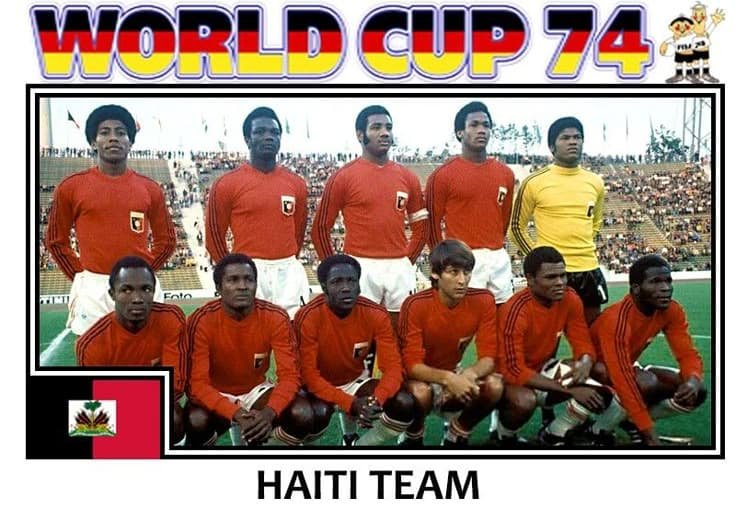
Haiti’s only FIFA World Cup appearance came at Germany 1974 — where forward Emmanuel Sanon scored against Italy and ended legendary goalkeeper Dino Zoff’s historic clean-sheet streak, becoming an eternal symbol of Haitian football. Furthermore, Zoff had not conceded for 1,143 minutes of international football before Sanon’s goal. Moreover, the whole world watched a Caribbean nation — tiny, underfunded, representing a country most football fans could barely locate on a map — score against one of football’s greatest goalkeepers.
As a result, that goal lived in Haitian football culture for five decades. Furthermore, every player in the 2026 squad grew up knowing about Sanon’s goal — the proof that Haiti belongs on the world stage. Consequently, the mission in 2026 is not simply to participate. It is to add another chapter to the story Sanon started.
The 52-Year Absence
Nevertheless, after 1974 came 52 years of near-misses and missed qualifications. Furthermore, Haiti reached the CONCACAF Gold Cup final in 1973 — a generation before the current squad’s parents were born. Moreover, regional tournaments provided occasional joy but the World Cup remained out of reach. As a result, when qualifying finally confirmed Haiti’s place at 2026, the entire weight of that half-century absence landed on a squad with an average age of just 24.
Can Haiti Cause a Shock at the 2026 World Cup? — Our Verdict
Reaching the Round of 32 is extremely unlikely given Group C’s quality. Furthermore, Brazil and Morocco represent two of the most dangerous teams in the entire tournament. Nevertheless, Haiti’s mission is clear and it is achievable.
Migné will be hoping for some history — even on a small scale. Furthermore, scoring against Scotland on June 14 — the way Sanon scored against Italy 52 years ago — would provide exactly that history. Moreover, a competitive performance against Brazil, even in a heavy defeat, would demonstrate that Haitian football has genuinely developed across five decades. As a result, the metrics for Haiti’s success at this tournament are different from every other team’s. Consequently, they measure success not in points but in pride, performance and proof of belonging.
Above all, one truth about this Haiti squad dominates every tactical analysis. The team has made great strides in recent years despite difficult home conditions — including security challenges that forced them to play qualifiers outside the country. Furthermore, a team that qualified for the World Cup without ever playing at home possesses a resilience that no ranking can measure. Moreover, that resilience — forged across years of hardship on and off the pitch — gives Haiti the one quality that cannot be manufactured. Mental strength. Collective belief. The absolute refusal to be beaten before the first whistle.
Our Prediction
Scotland beat Haiti 2-1 in Boston — nevertheless, Nazon scores a brilliant individual goal in the 67th minute that the whole Caribbean watches on repeat for days. Brazil beat Haiti 4-0 in Philadelphia — however Placide makes four extraordinary saves that earn him a standing ovation from the Brazilian crowd. Morocco beat Haiti 3-0 in Miami. Haiti finish fourth in Group C with zero points.
Nevertheless, they go home having scored a World Cup goal. They go home having competed on the same pitch as Vinícius Júnior, Achraf Hakimi and Andrew Robertson. Moreover, Wilson Isidor earns a move to a top European club before the tournament even ends. Above all, the children of Haiti — watching on phones and televisions at 3am in Port-au-Prince, in Brooklyn, in Montreal and in Paris — understand simultaneously that their country belongs here.
Now, more than five decades later, Les Grenadiers have written a new historic chapter for Haitian football.
Frequently Asked Questions
Q: Is this Haiti’s first World Cup? No — Haiti will make only their second appearance at the FIFA World Cup — their first in 52 years. Their debut came at the 1974 World Cup in West Germany.
Q: What group is Haiti in at World Cup 2026? Group C — alongside Brazil, Morocco and Scotland. Their opening match is June 14 against Scotland at Gillette Stadium in Boston.
Q: Who is Haiti’s best player at the 2026 World Cup? Wilson Isidor is as excellent a footballer as Haiti have ever produced. He recently switched allegiance from France and brings Sunderland Premier League experience to Haiti’s attack.
Q: Who is Haiti’s coach at the 2026 World Cup? Sébastien Migné — a French coach who has never visited Haiti due to the country’s political unrest — yet qualified Les Grenadiers for their first World Cup in 52 years.
Q: How did Haiti qualify for the 2026 World Cup? Haiti secured qualification by finishing atop of Group C in the third round of CONCACAF qualifying — recording three wins and two draws in six matches. Remarkably, they played every qualifying game outside Haiti.
Q: What are Haiti’s chances at the 2026 World Cup? Advancing from Group C is extremely unlikely given Brazil and Morocco’s quality. Nevertheless, scoring against Scotland and competing bravely in every match represents a historic achievement for Caribbean football.