Federico Valverde FIFA World Cup 2026: Uruguay’s Midfield Leader Chasing Glory
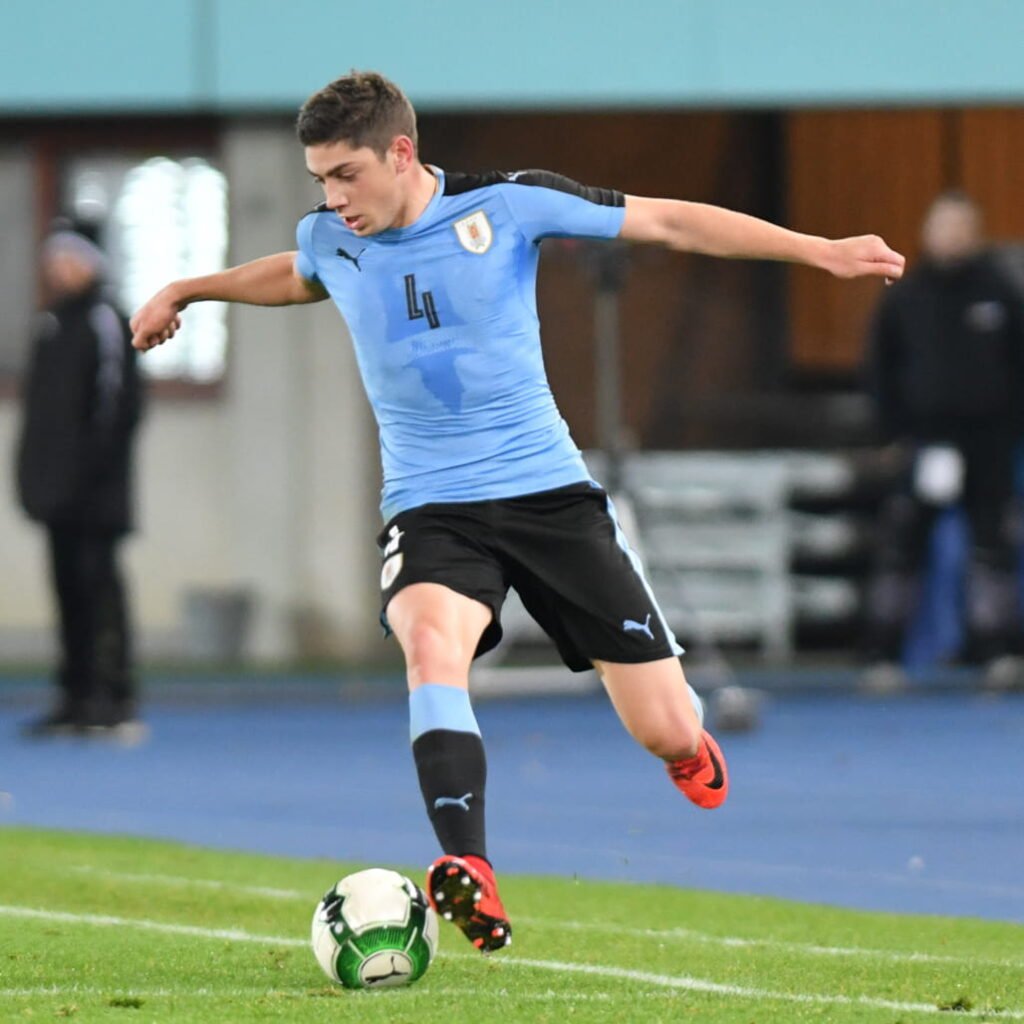
Federico Valverde heads into FIFA World Cup 2026 as Uruguay’s captain, leader, and one of the most complete midfielders in world football. FIFA has highlighted him as one of the tournament’s major stars and the key figure in Uruguay’s World Cup ambitions.
| Detail | Info |
|---|---|
| Full Name | Federico Santiago Valverde Dipetta |
| Date of Birth | July 22, 1998 |
| Age at 2026 World Cup | 27 (turns 28 during the tournament) |
| Birthplace | Montevideo, Uruguay |
| Nationality | Uruguayan |
| Club | Real Madrid |
| Position | Central Midfielder / Right Winger |
| Height | 1.82 m (6 ft 0 in) |
| Preferred Foot | Right |
| Jersey Number | 8 (Real Madrid) / 15 (Uruguay) |
| International Caps | 75+ |
| International Goals | 10+ |
| Career Club Goals | 60+ |
| Market Value | €132 million (2026) |
| Nickname | El Pajarito (The Little Bird) |
The Dark Horse Has a Heartbeat
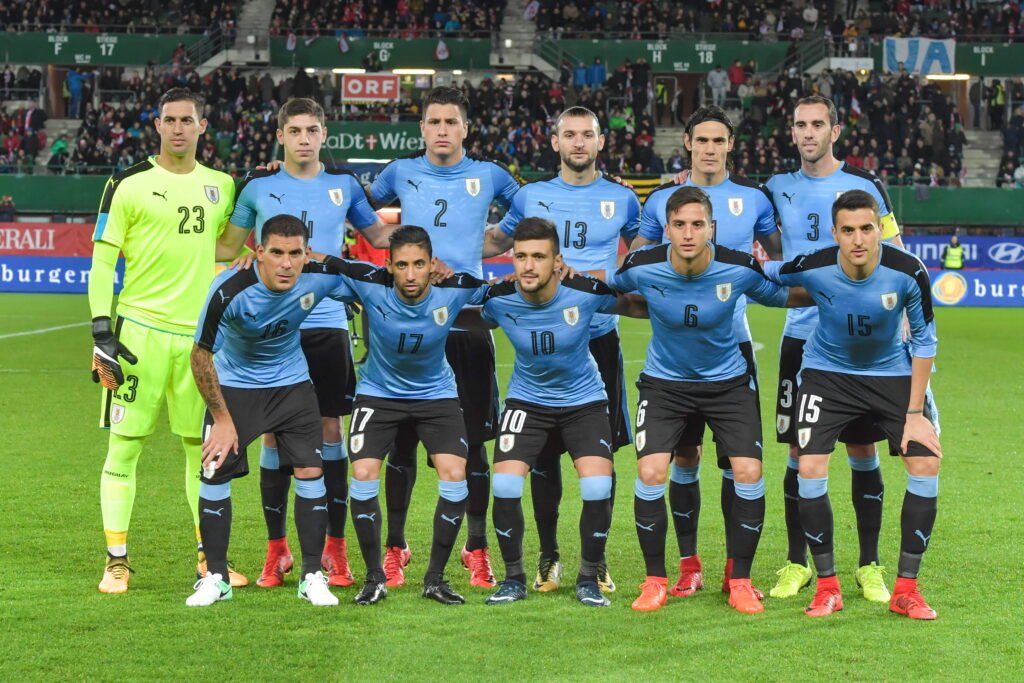
Uruguay are not favourites. They never are. That is precisely the point.
A nation of 3.5 million people that won the very first FIFA World Cup in 1930 and lifted it again in 1950 with the legendary Maracanazo. A country that has always punched so far above its weight that the sport itself sometimes forgets to be surprised. And at the centre of the 2026 version of this eternal underdog story stands one player — a midfielder from Montevideo who runs like the pitch is on fire and hits the ball like he has a personal grievance against goalkeepers.
Federico Valverde FIFA World Cup 2026: Uruguay’s Midfield story is the story of a player who has waited patiently at the world’s greatest club, earned his starting role at the most demanding stadium on the planet, and now arrives at a World Cup with all of that experience ready to pour into the shirt of La Celeste.
He is 27. He is electric. And for Uruguay, he is everything.
From Montevideo to the Bernabéu: Early Life
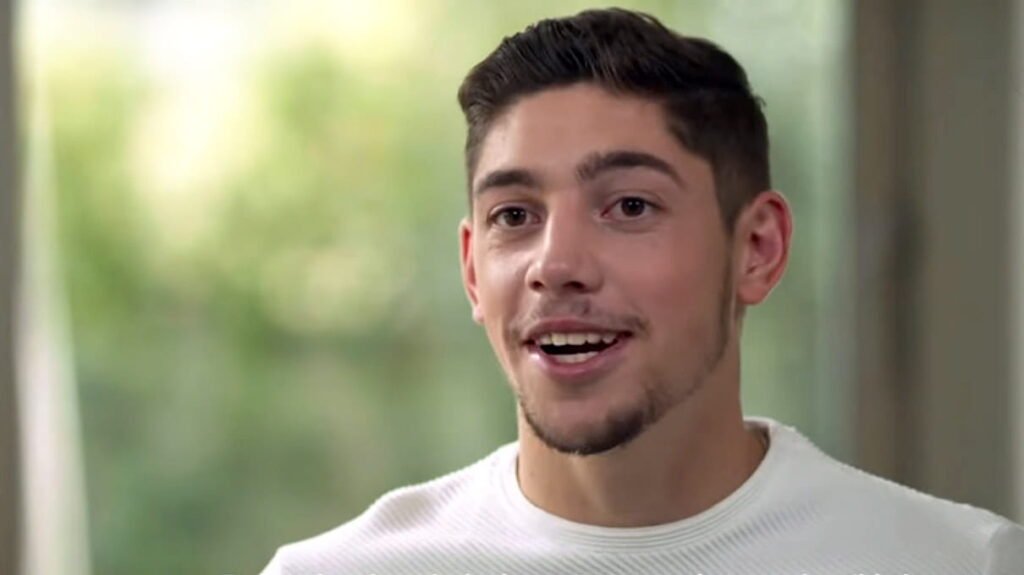
Federico Santiago Valverde Dipetta was born on July 22, 1998, in Montevideo — the capital of Uruguay, a city where football is not just a sport but a form of national identity.
He started at Estudiantes de la Unión before joining Peñarol — one of Uruguay’s two great institutions — at age ten. At Peñarol, he developed through every youth level, absorbing the fierce competitive culture that defines Uruguayan football at its core. Even as a teenager, coaches noticed two qualities that still define him today: an engine that never stops and a technical foundation that belies how physically intense his style is.
In 2016, Real Madrid signed him. The fee was modest. The potential, however, was unmistakable. He began his Real Madrid career with the club’s reserve side before gaining his first taste of senior Spanish football during a loan spell at Deportivo La Coruña.
Returned to the Bernabéu in 2018. He has not looked back since.
Career Timeline: The Road From Peñarol to Madrid’s Engine Room
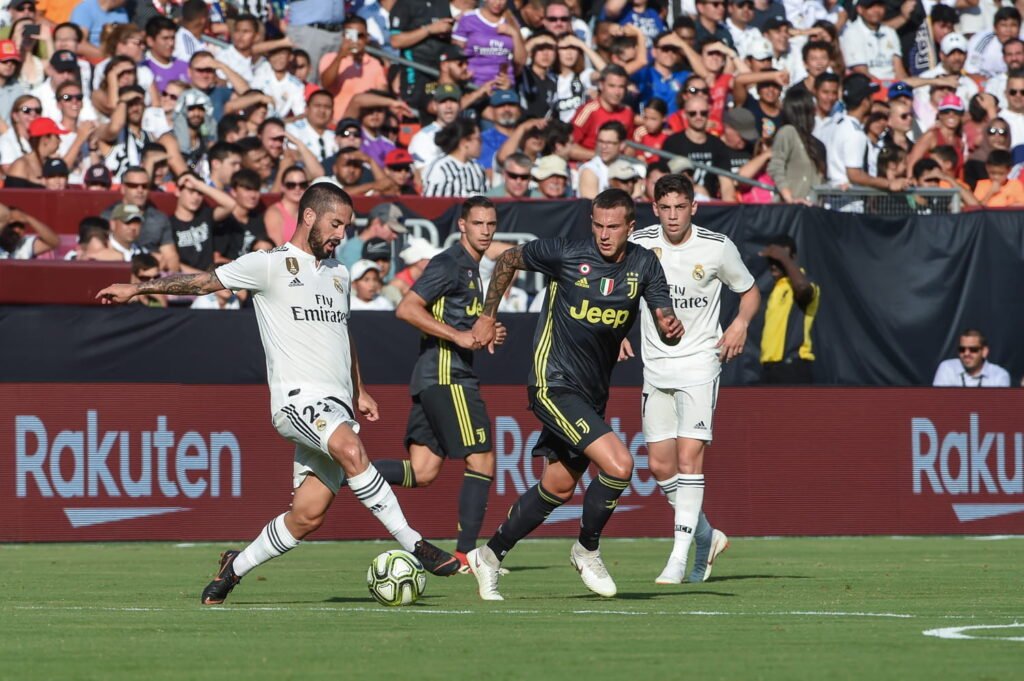
2015–2016 — Peñarol Senior Debut Valverde made his professional debut for Peñarol and won the Uruguayan Primera División in his first senior season — his very first professional trophy.
2016–2018 — Real Madrid B and Deportivo La Coruña Loan
After signing for Real Madrid at 18, Valverde spent a season with the club’s reserve side, Real Madrid Castilla, before joining Deportivo de La Coruña on loan for the 2017–18 season, where he gained valuable first-team experience in Spanish football. He scored on his La Liga debut for Deportivo and showed the energy and versatility that would define his Real Madrid career.
2018–2021 — Establishing Himself at the Bernabéu Back at Real Madrid, Valverde steadily earned the trust of manager Zinedine Zidane. His role expanded. His work rate made him undroppable in big games. In 2021-22, he became one of the first names on Carlo Ancelotti’s team sheet.
2022–2026 — One of the World’s Best Midfielders The transformation from reliable squad player to elite starter was complete. Federico Valverde Real Madrid statistics tell the story clearly: across La Liga and Champions League campaigns, consistent goal contributions, top-speed readings of 35.79 km/h, and the kind of defensive work that frees creative players to express themselves freely.
El Pajarito: A Playing Style Like No Other
The nickname El Pajarito — The Little Bird — captures something real about Valverde. Moves across the pitch with a freedom that is rare for a midfielder carrying his physical intensity. He arrives in areas you don’t expect. He strikes when you least anticipate it.
His primary role is box-to-box midfield. However, what makes him unique is the quality he brings in every direction. He wins the ball like a defensive midfielder, carries it like a winger, creates like an attacking midfielder, and finishes like a forward. Under Ancelotti at Real Madrid, he has played central midfield, right wing, and right-back — performing at an elite level in each position without complaint.
His long-range shooting is genuinely feared. His top speed of 35.79 km/h is extraordinary for a midfielder — faster than many specialist wingers in European football. And his pressing intelligence is what makes Bielsa’s system at Uruguay function as effectively as it does.
Strengths: Work rate, box-to-box engine, long-range shooting, pace, pressing, versatility Weaknesses: Can overcommit on tackles, occasionally sacrifices technical precision for intensity
Federico Valverde FIFA World Cup 2026: Trophies and Titles
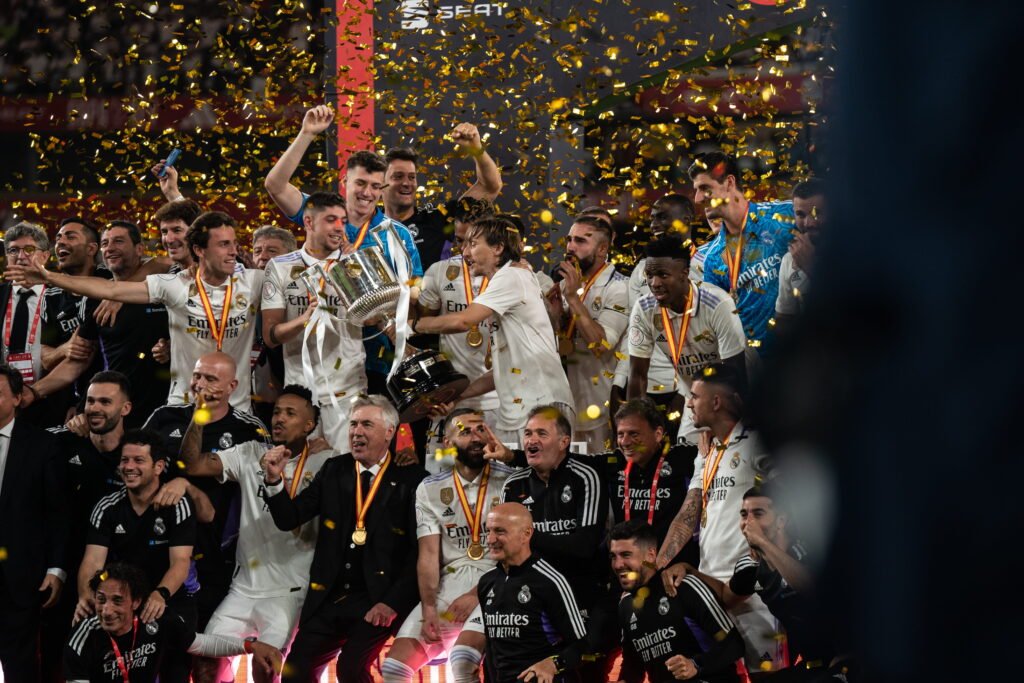
Club Honours
| Trophy | Club | Year(s) |
|---|---|---|
| UEFA Champions League | Real Madrid | 2021–22, 2023–24 |
| La Liga | Real Madrid | 2019–20, 2021–22, 2023–24 |
| Copa del Rey | Real Madrid | 2022–23 |
| Supercopa de España | Real Madrid | 2021–22, 2024–25 |
| UEFA Super Cup | Real Madrid | 2022, 2024 |
| FIFA Club World Cup | Real Madrid | 2022, 2024 |
| Uruguayan Primera División | Peñarol | 2015–16 |
Individual Awards
| Award | Year(s) |
|---|---|
| FIFA Club World Cup Silver Ball | 2022, 2024 |
| U20 World Cup Silver Ball | 2017 |
| Supercopa de España Final MVP | 2022 |
| UEFA Champions League Squad of the Season | 2023–24 |
Thirteen trophies. Two Champions League medals. Three La Liga titles. The collection reflects not just individual brilliance — but the consistency required to win at the highest level, year after year, at the world’s most demanding club.
Injuries: The Physical Price of Playing Without Brakes
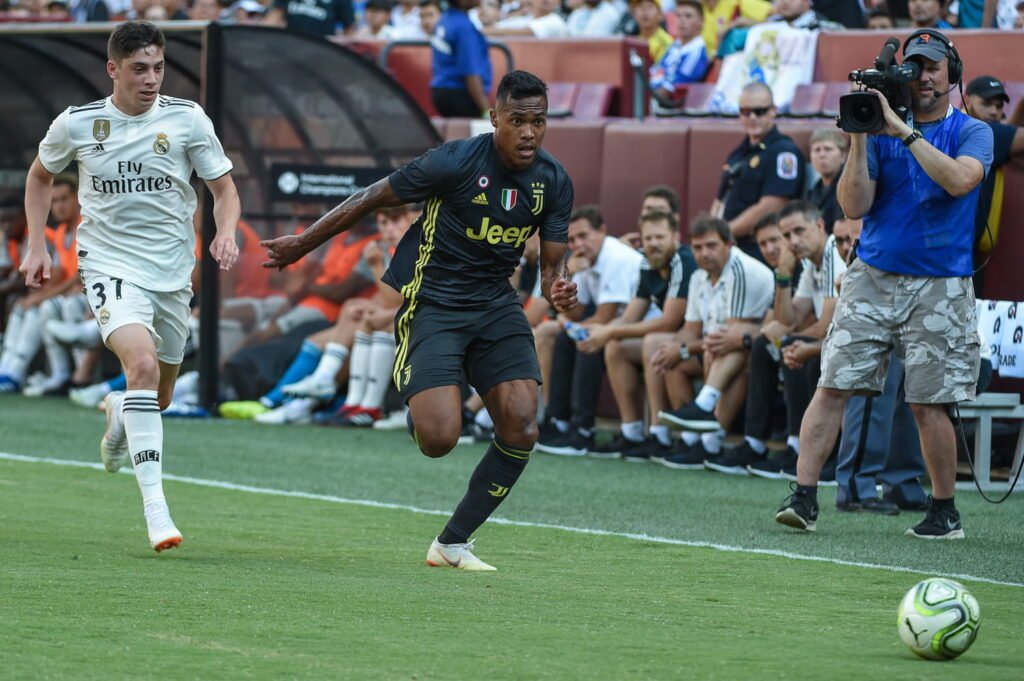
Valverde’s style demands everything from his body. The pace, the pressing, the relentless covering — over a long season, the physical cost is real.
November 2025 — Undisclosed Injury An injury in November 2025 kept Valverde sidelined for a period, disrupting Real Madrid’s early Champions League campaign. The exact nature was not confirmed publicly, though he returned to action within weeks.
May 2025 — Lower Back Issue A short-term lower back complaint ruled him out briefly in the final stretch of Real Madrid’s 2024-25 season. He recovered in time to contribute to the season’s close.
February–March 2025 — Muscle Complaints Two brief muscle issues in early 2025 interrupted his rhythm. However, his quick returns in both instances underlined his physical resilience and the quality of Real Madrid’s medical support.
Despite these brief interruptions, Valverde has remained one of the most consistently available elite midfielders in European football across the last four seasons—a remarkable feat given the intensity of his playing style and the number of matches that Real Madrid plays each year.
Federico Valverde World Cup History: Three Attempts, One Mission
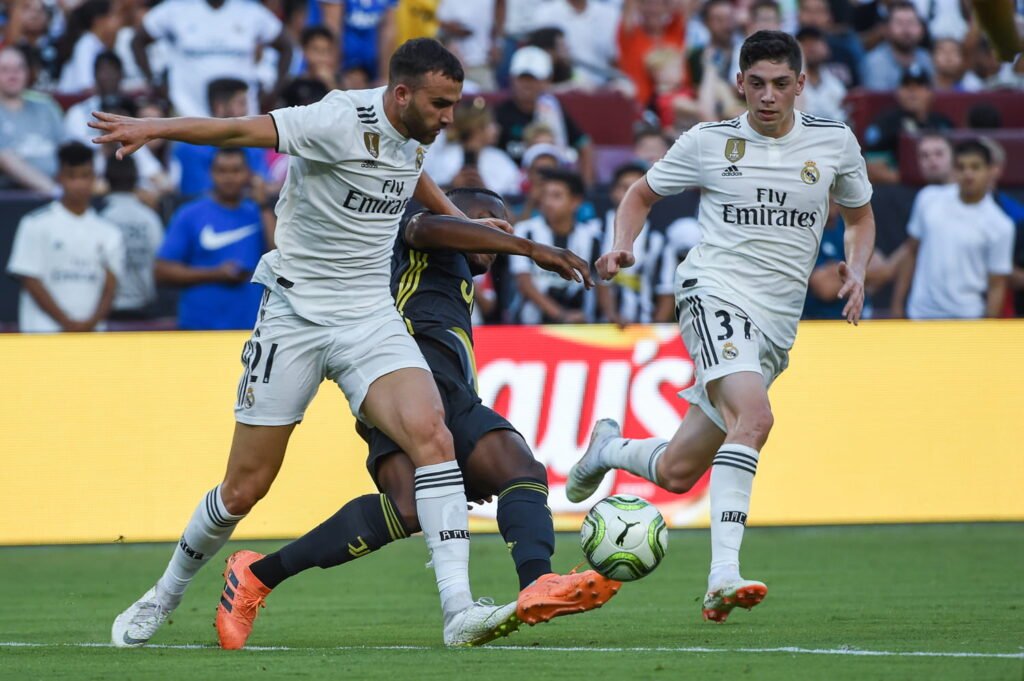
Understanding Federico Valverde’s World Cup journey means understanding how much it has already cost him — and how far he has come.
2018 — Left Out of the Final 23 Valverde was included in Uruguay’s provisional 26-man squad for the 2018 World Cup in Russia. He did not make the final 23. He watched from a distance as Uruguay, without him, reached the quarter-finals before losing to eventual champions France. For a 19-year-old who had scored on his senior international debut and believed he was ready, the exclusion was a formative wound.
2022 — Group Stage Heartbreak By Qatar 2022, Valverde was firmly established. He played every minute. However, Uruguay were eliminated in the group stage — failing to advance on goal difference despite being unbeaten. The tournament left a bitter taste and a clear mission.
2026 — The Redemption Begins At 27, with two Champions League medals, multiple La Liga titles, and over 75 Uruguay caps, Federico Valverde FIFA 2026 carries the weight of everything left unfinished. He is no longer the prospect who was left out of a squad. He is the undeniable heartbeat of a team that believes this time is different.
Federico Valverde FIFA World Cup 2026: Uruguay’s Midfield Under Bielsa
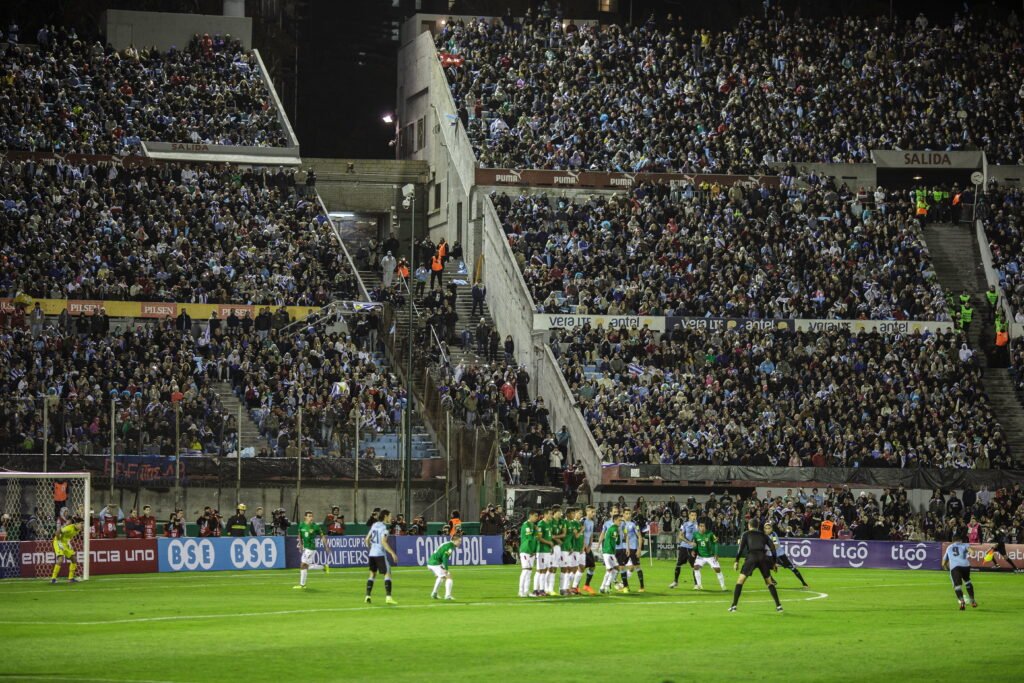
Federico Valverde FIFA World Cup 2026: Uruguay’s Midfield enters Group H — the toughest group draw Uruguay could have realistically received. Spain, Cape Verde, and Saudi Arabia await La Celeste in a section that demands results from the very first match.
Under Marcelo Bielsa, Uruguay play high-pressing, structured football built around two central pillars: defensive organisation and midfield energy. Valverde and Manuel Ugarte — also known to Europe through his Manchester United career — form the engine room that makes the system function. Through 18 World Cup qualifiers, Uruguay conceded just 10 goals, including only one in their final six games.
Spain remain the overwhelming Group H favourites. However, with Valverde and Ugarte controlling the midfield press and Darwin Núñez leading the attack, Uruguay are far from passive participants. They are — as they have always been — the most dangerous side that nobody is fully taking seriously.
What Uruguay Need From Valverde
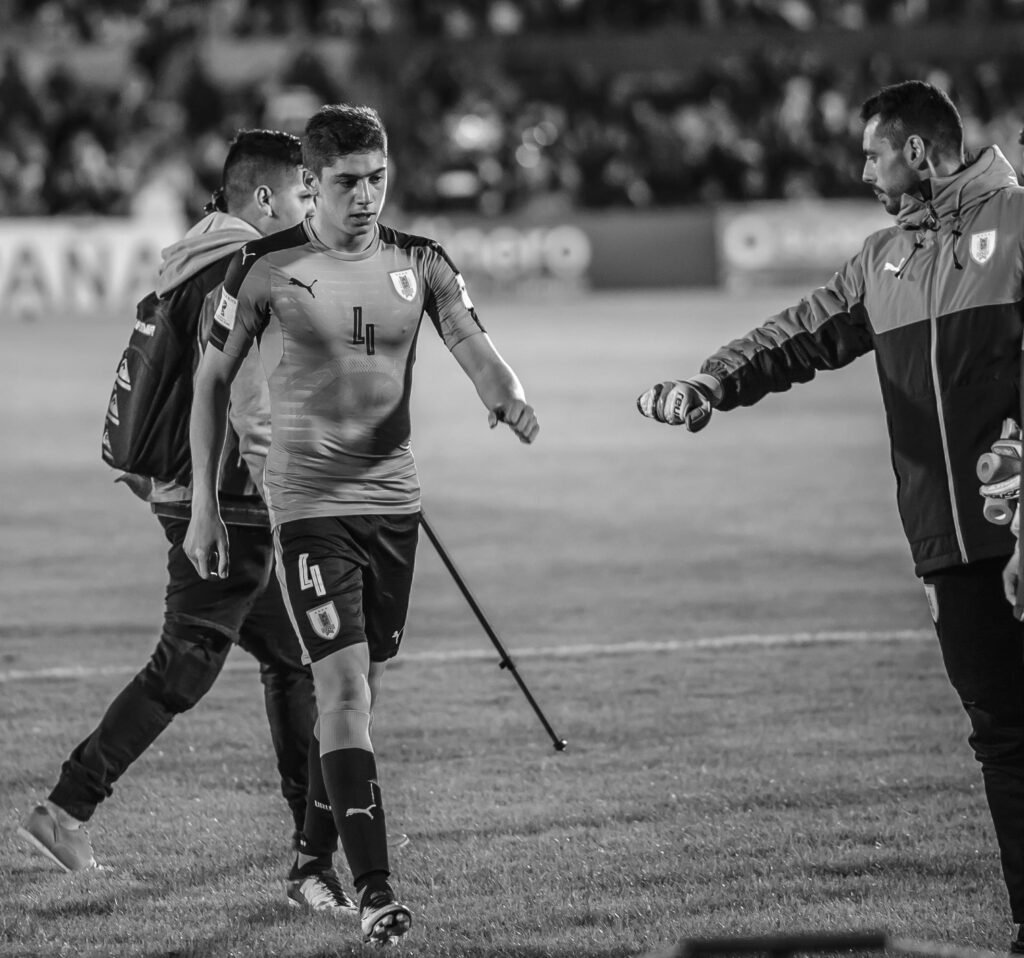
This is not a squad built around one superstar. It is a collective. But within that collective, some players are more equal than others — and Valverde is the one Bielsa’s entire midfield system is built to protect and unleash.
His Federico Valverde goals record at Real Madrid — including long-range strikes, CL contributions, and crucial big-game moments — reflects the kind of threat that Uruguay can use at international level. His ability to arrive late into attacking areas from deep positions gives La Celeste a dimension their opponents consistently underestimate.
Without Luis Suárez and Edinson Cavani, Uruguay look different. The legendary striker era is over. However, what Bielsa has built in its place is arguably more structurally sound — a team that wins through organisation, transition, and midfield domination rather than relying on the individual genius of one forward. Valverde is the fulcrum of that new identity.
Federico Valverde Stats: The Numbers That Define a World-Class Midfielder
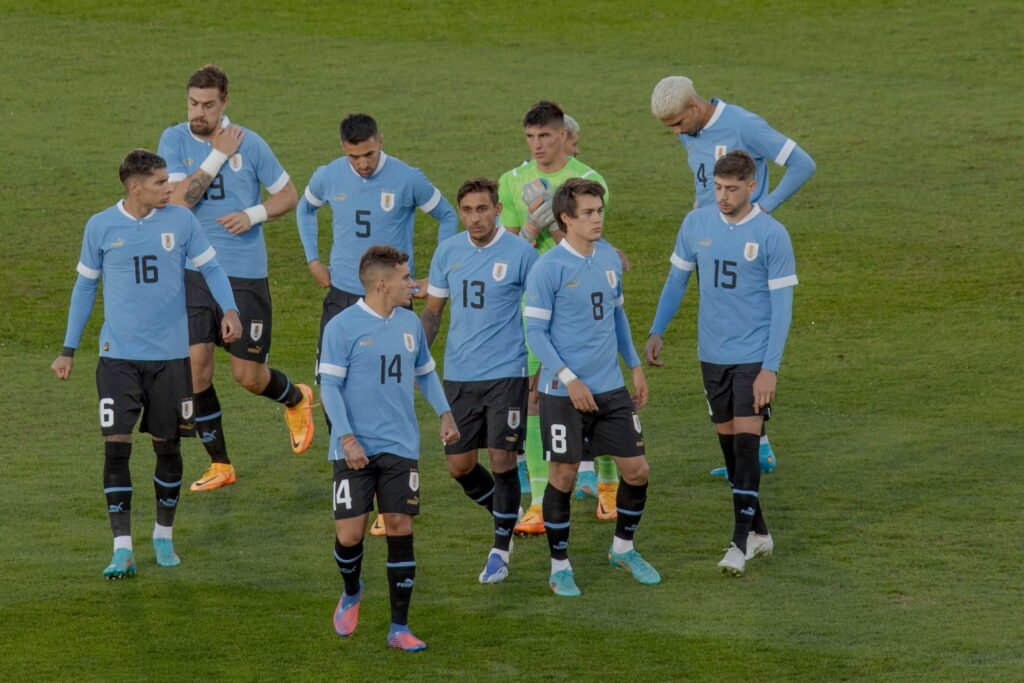
| Competition | Appearances | Goals | Assists |
|---|---|---|---|
| La Liga (Real Madrid) | 215+ | 35+ | 40+ |
| UEFA Champions League | 65+ | 10+ | 12+ |
| Real Madrid (All Competitions) | 290+ | 55+ | 55+ |
| Uruguay International | 75+ | 10+ | 12+ |
| FIFA World Cup (2022) | 3 | 0 | 0 |
2025–26 Season (All Competitions): 49 appearances, 9 goals, 9 assists
Stats accurate to May 2026. 2026 tournament stats pending.
Federico Valverde Records and Fun Facts
- Valverde has a recorded top speed of 35.79 km/h — one of the highest ever measured for a central midfielder in European football.
- He scored on his senior international debut for Uruguay against Paraguay in 2017 — and started the next three games in various attacking positions.
- The decisive pass in the 2022 Champions League Final was his. With the score level, Valverde’s perfectly weighted ball found Vinicius Júnior in the penalty area. Vinicius scored. Real Madrid won 1-0 against Liverpool.
- In the 2025–26 Champions League, he scored a hat-trick — a remarkable achievement for a midfielder.
- His nickname, El Pajarito (The Little Bird), was given to him in youth football and has followed him all the way to the Bernabéu.
- He has won the FIFA Club World Cup Silver Ball twice — recognition as one of the tournament’s best players on two separate occasions.
- Federico Valverde Real Madrid contract runs until June 2029 — confirming that the club sees him as central to their future well beyond the 2026 World Cup.
- He and Luis Suárez share a bond that transcends football: Valverde has said Suárez gave him his values and rules for representing Uruguay at the highest level.
The Legacy Being Written in Real Time
Federico Valverde Real Madrid career has given him everything a club footballer could want — trophies, records, Champions League nights that become part of history. However, for Valverde, the unfinished story is written in sky blue.
Uruguay FIFA World Cup 2026 represents an opportunity that comes around once, perhaps twice, in a footballer’s career. A nation without its legendary strikers. A system built for transition football. A coach in Bielsa whose teams always outperform expectations. And a midfielder from Montevideo with a Champions League medal in his pocket and a fire in his chest that has been burning since a 19-year-old was left out of a World Cup squad in 2018.
El Pajarito is no longer a prospect. He is the present. He is Uruguay’s heartbeat on the world’s biggest stage.
And in 2026, he intends to make the world remember it.
Frequently Asked Questions About Federico Valverde
❓ What is Federico Valverde’s role at FIFA World Cup 2026?
Valverde is the central figure in Uruguay’s midfield under coach Marcelo Bielsa. He operates primarily in a box-to-box role — pressing high, winning possession, carrying the ball forward, and arriving in attacking positions to score or create. Alongside Manuel Ugarte, he forms the engine room of a team ranked 17th in the world and considered one of the tournament’s most dangerous dark horses.
❓ What trophies has Federico Valverde won at Real Madrid?
At Real Madrid, Valverde has won two UEFA Champions Leagues (2021-22, 2023-24), three La Liga titles, one Copa del Rey, two UEFA Super Cups, two FIFA Club World Cups, and two Supercopa de España titles. He won the FIFA Club World Cup Silver Ball on two occasions and was part of the Champions League Squad of the Season in 2023-24. Including his Uruguayan Primera División title with Peñarol, he has won 13 career trophies.
❓ What group is Uruguay in at the 2026 World Cup?
Uruguay are placed in Group H for FIFA World Cup 2026 alongside Spain, Cape Verde, and Saudi Arabia. Spain are overwhelming group favourites. However, Uruguay qualified impressively under Marcelo Bielsa — losing just four of 18 qualifiers and conceding only one goal in their final six qualifying games — arriving as one of the tournament’s most organised and defensively disciplined teams.
❓ How fast is Federico Valverde?
Valverde has a recorded top speed of 35.79 km/h — one of the highest speeds ever measured for a central midfielder in elite European football. His pace is not merely a statistic — it directly influences his ability to cover defensive ground, drive forward in transition, and press opponents into mistakes in Bielsa’s high-energy system.
More Questions About Federico Valverde
❓ What are Federico Valverde’s career stats at Real Madrid?
Across all competitions for Real Madrid, Valverde has made 290+ appearances, scoring 55+ goals and providing 55+ assists. In the 2025-26 season alone, he contributed 9 goals and 9 assists in 49 appearances — a remarkable output for a midfielder at the world’s most demanding club. His La Liga record includes 215+ appearances and 35+ goals, placing him among the highest-scoring midfielders in Real Madrid’s modern era.
❓ Why was Federico Valverde not in the 2018 World Cup squad?
Despite being included in Uruguay’s provisional 26-man group for the 2018 World Cup in Russia, Valverde was cut when coach Óscar Tabárez finalised the 23-man squad. A knee injury earlier in the season was a contributing factor, though he had recovered before the tournament. The exclusion was a painful setback for the 19-year-old, who has since credited it as a defining motivating moment in his development.
❓ Can Uruguay win the FIFA World Cup 2026?
Uruguay are not favourites for the 2026 World Cup. However, they are one of the tournament’s most credible dark horses. Under Bielsa, they qualified with exceptional defensive solidity — conceding only 10 goals in 18 qualifiers. With Valverde and Ugarte in midfield, Darwin Núñez leading the attack, and Ronald Araujo alongside José María Giménez in defence, Uruguay have the components for a deep tournament run. Whether those components combine at the right moment is what every World Cup ultimately decides.