
The Belgium FIFA World Cup 2026 campaign begins with a question that has haunted Belgian football for a decade.
How does the most talented generation in Belgian history end without a single trophy?
Moreover, how does a squad that contained Kevin De Bruyne, Eden Hazard, Romelu Lukaku, Thibaut Courtois, and Vincent Kompany — simultaneously, in their prime, for nearly a decade — produce a third-place finish as its greatest achievement? Furthermore, how does that same generation crash out of the 2022 World Cup at the group stage, without a single convincing performance, and then have the audacity to come back in 2026 and ask for one more chance?
Courtois said it himself after Qatar 2022: “It is hard to call yourself a golden generation when you don’t win anything. We are not a golden generation, we are a generation with a lot of talent and great players.” Nevertheless, here they are. De Bruyne at 35. Lukaku at 33. Courtois at 34. They are back at a World Cup. Back with something to prove. Back with the knowledge that this is, without any question, the last time.
Consequently, the Belgium FIFA World Cup 2026 story is one of the most emotionally charged at the entire tournament. Not because Belgium are underdogs. Not because their squad lacks quality. Instead, because this is a team that has been given every possible advantage — talent, opportunity, favourable draws — and still has not delivered. In 2026, on the West Coast of North America, in Group G alongside Egypt, Iran and New Zealand, the excuses are gone.
This is the last chapter. And the whole world is watching to see how it ends.
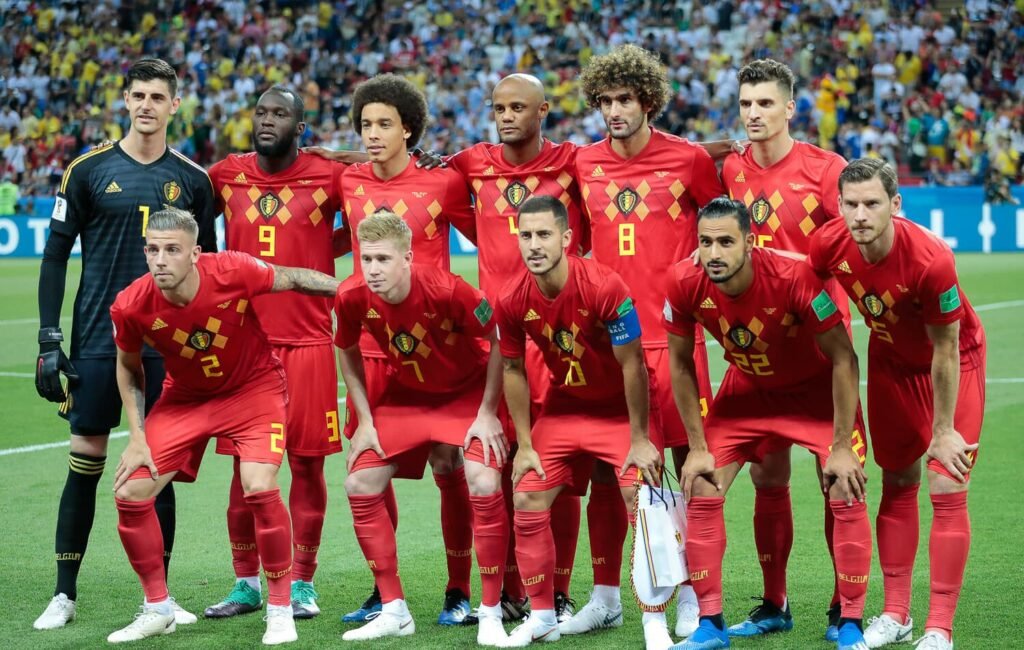
Quick Facts
| FIFA Ranking | #3 | Coach | Rudi Garcia |
| Group | Group G | Captain | Kevin De Bruyne |
| World Cup Titles | 0 | Best Result | 3rd place (2018) |
| First Match | June 15 vs Egypt | The One to Watch | Jérémy Doku |
Belgium FIFA World Cup 2026 Key Players
Kevin De Bruyne — Belgium’s Captain and the Talisman of a Generation
There are players who define clubs. There are players who define eras. And then, very occasionally, there is a player who defines an entire national football story — whose career becomes so synonymous with his country’s aspirations, frustrations and near-misses that separating the two becomes impossible.
Kevin De Bruyne is that player for Belgium.
He remains one of Belgium’s most experienced players entering 2026 — having won the UEFA Champions League, multiple Premier League titles and numerous domestic trophies with Manchester City. He has been named Premier League Player of the Season and included in the FIFA FIFPro World XI several times. Furthermore, everything in this Belgium squad bends toward De Bruyne’s tempo. When he controls the game, Belgium look like a team capable of beating anyone. When he is absent or off-form, moreover, the entire attacking structure loses its conductor and the music stops.
De Bruyne may be playing in his final World Cup — with one last chance at the elusive trophy that has escaped this generation entirely. As a result, the motivation driving him into every training session, every warm-up match, every tactical meeting in North America is not ambition. It is something far more powerful than ambition. It is the fear of leaving football with an incomplete story.
Nevertheless, at 35 years old, questions about his physical sharpness across seven potential matches are legitimate. However, De Bruyne has never been a player who relies on pace. He relies on intelligence — and intelligence does not decline with age. Consequently, if Belgium go deep in this tournament, it will be because De Bruyne’s mind carried them further than their legs could.
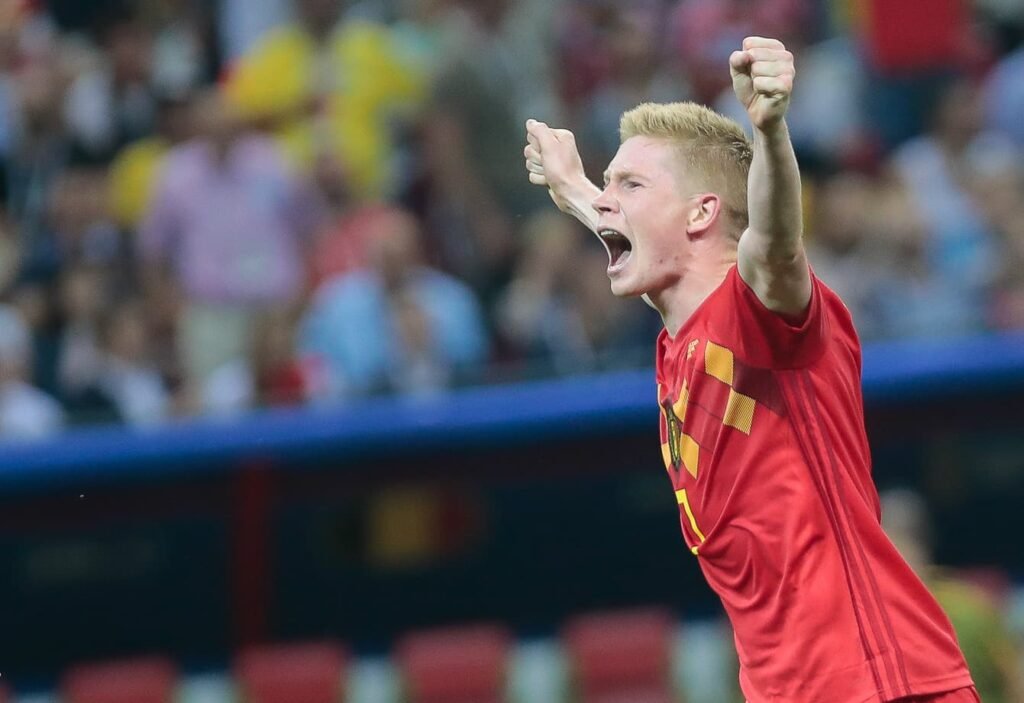
Romelu Lukaku — Belgium’s Record Scorer and the Man Who Divides Opinion
Lukaku has scored a national-record 89 goals for Belgium, including five at World Cups. Furthermore, those numbers are extraordinary by any measure — the greatest goalscorer in Belgian football history, a player who has scored more international goals than any Belgian who ever lived. Moreover, he has done so while carrying criticism that no other player in this squad has ever faced.
Lukaku at his best is a physical force that few defenders can handle. Lukaku at his worst is isolated, sluggish and peripheral. Which version turns up at the 2026 World Cup will determine whether Belgium progress beyond the quarter-finals.
Additionally, Lukaku is reportedly managing a hamstring issue — shutting down his Serie A season at Napoli to heal up for what he hopes is a deep World Cup run. If he is unable to go, it is a considerable loss — because while Belgium can find goals elsewhere,they do not have a number nine with quite his presence in the box.
In other words — Belgium need a fit, motivated, dangerous Lukaku. The version who scored 30 goals a season at Inter Milan. Not the version who disappears for 80 minutes and then asks for the ball in the box. The difference between those two versions of Lukaku is, consequently, the difference between Belgium reaching the semi-finals and Belgium going home in the quarter-finals.
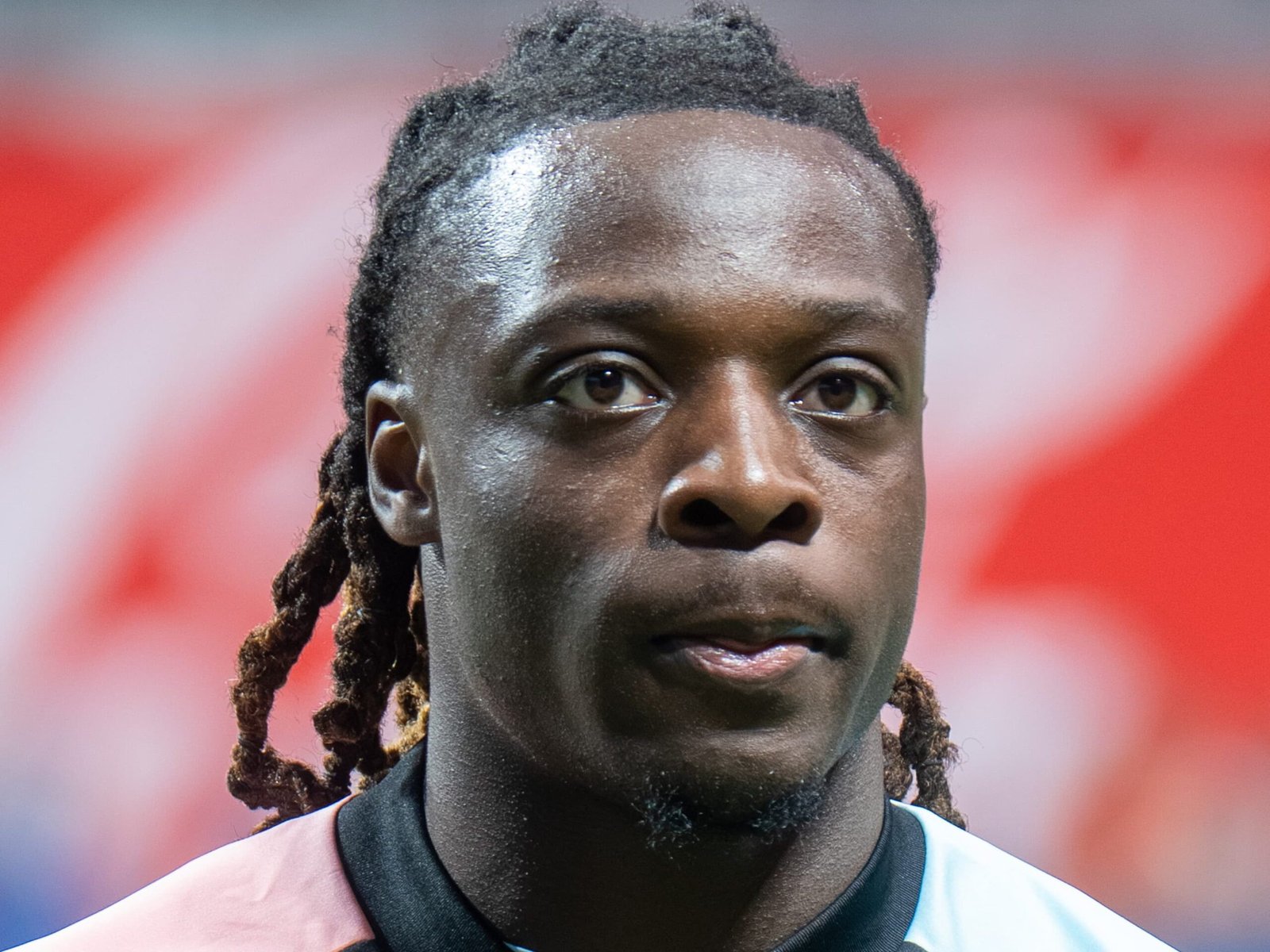
Jérémy Doku — Belgium’s Future and Their Most Exciting Player Right Now
While De Bruyne and Lukaku carry the weight of the past, Jérémy Doku carries the electricity of the present. Moreover, at 24 years old, he represents something the golden generation never quite had — a genuinely unpredictable, explosive wide player who makes defenders panic before he even receives the ball.
The Manchester City winger arrives in the best form of his career — his pace, dribbling ability and constant threat in one-on-one situations make him one of the most dangerous wide players at this entire tournament. Furthermore, emerging as a consistent starter for Manchester City over three seasons, Doku is just 23 but already in his eighth season of first-division football, having started with Anderlecht as a 16-year-old. He brings speed and composure on the wing and is a threat to score in every match he plays.
As a result, Doku is the player that opposing coaches circle in red on their tactical boards and spend the most time planning to stop. In addition, because De Bruyne and Lukaku demand so much defensive attention through the middle, Doku frequently finds himself in one-on-one situations on the left wing — situations that, at his current level, he wins more often than not.
Thibaut Courtois — The World’s Best Goalkeeper and Belgium’s Biggest Safety Net
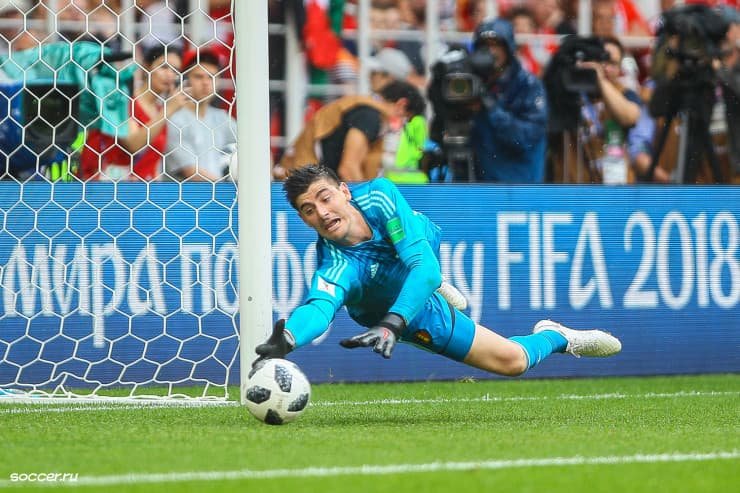
Belgium boast one of the best goalkeepers in the world in Thibaut Courtois, who has won the UEFA Champions League twice with Real Madrid. Furthermore, his return to the Belgium squad after a period of controversy and absence was one of the most significant moments of the entire qualification cycle.
Courtois returned after a long absence — and his comeback created open criticism and even pushed Koen Casteels to step away in protest. Suddenly, the most important position in the squad carried politics with it. Nevertheless, on the pitch, the decision is straightforward. Courtois on his best days is the finest goalkeeper in the world. Moreover, in a tournament where one crucial save in a knockout match can decide everything, having Courtois between the posts gives Belgium an advantage that simply cannot be measured in statistics.
Amadou Onana — Belgium’s Midfield Anchor and Unsung Hero
Amadou Onana has grown into a genuine midfield anchor — providing the physical presence and ball-winning ability that allows De Bruyne to operate further forward without defensive responsibility. Furthermore, alongside Youri Tielemans in a world-class double pivot, Onana gives Belgium’s midfield a balance that the golden generation often lacked. As a result, Garcia’s Belgium are better organised defensively than any previous version of this team — and consequently, harder to beat.
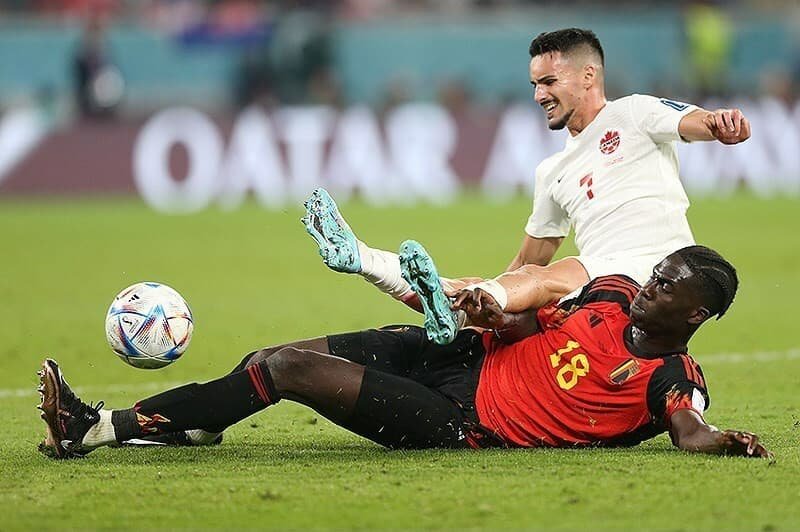
Leandro Trossard — Belgium’s Creative Wildcard
Leandro Trossard provides a creative alternative to Doku on the opposite flank — his intelligence in tight spaces, shooting from distance and ability to play through the middle as a second striker give Garcia tactical flexibility that Belgium have rarely enjoyed before. Moreover, his form at Arsenal under Mikel Arteta has been excellent — he arrives at the Belgium FIFA World Cup 2026 in the best condition of his international career. In addition, his partnership with De Bruyne in training is reportedly one of the highlights of Garcia’s preparation sessions — two technically brilliant footballers who instinctively understand each other’s movements.
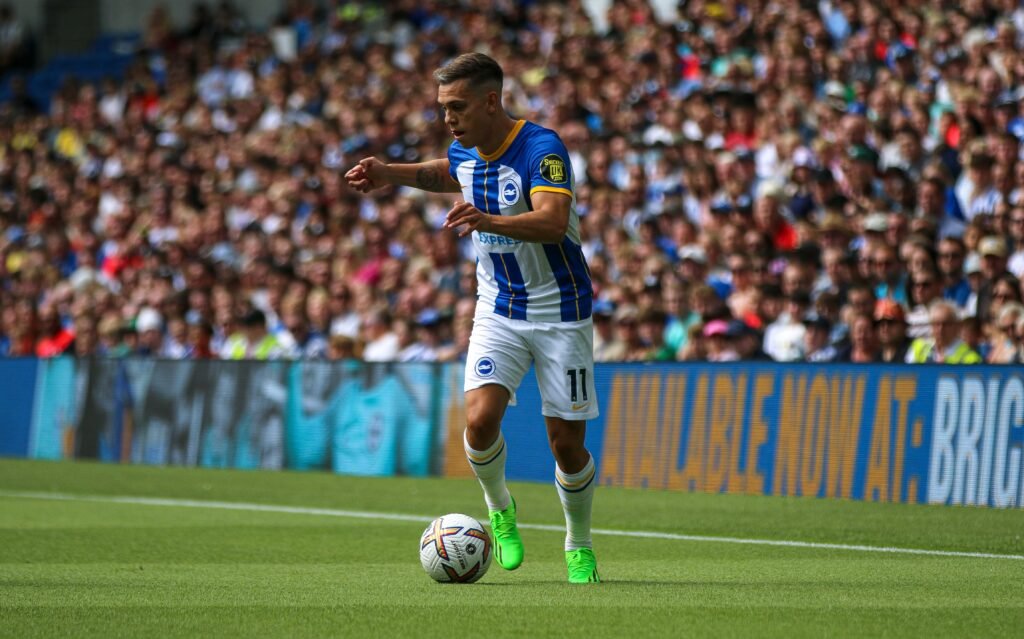
Belgium FIFA World Cup 2026 Tactics and Formation
Understanding Belgium’s tactical approach under Rudi Garcia requires, first of all, understanding what Garcia is trying to fix.
Garcia has switched between a 4-2-3-1 and 4-3-3 system — negotiating Belgium through a tricky UEFA Nations League play-off against Ukraine before overseeing an unbeaten World Cup qualifying campaign. As of the start of 2026, he had suffered just one defeat in his first ten matches in charge.
Moreover, the approach is fundamentally different from the Belgium teams of 2018 and 2022. Instead of building exclusively around De Bruyne’s creativity and hoping the golden generation’s individual quality would carry them through, Garcia has built a system first — and then placed the players within it. As a result, Belgium defend more compactly, press more intelligently, and transition more efficiently than they have done in years.
Nevertheless, there are real concerns about Belgium’s defensive vulnerability. They conceded five goals across two games against Wales in qualifying — highlighting a weakness that could be ruthlessly exposed by elite opposition in the knockout rounds. Furthermore, the squad boasts many prized attacking assets but the lightweight defence remains the most significant tactical concern heading into the tournament.
In other words — Belgium will score goals. They will always score goals with De Bruyne, Lukaku and Doku in the same attack. The question, consequently, is whether they can stop conceding them at the moments when a clean sheet would have won them the match.
Group Stage Analysis — Group G
Group G Full Breakdown
| Team | FIFA Ranking | Strength Level | Key Player | Belgium’s Honest Assessment |
|---|---|---|---|---|
| 🇧🇪 Belgium | #3 | ⭐⭐⭐⭐⭐ | Kevin De Bruyne | Heavy favourites to top the group |
| 🇪🇬 Egypt | #32 | ⭐⭐⭐ | Mohamed Salah | Most dangerous opponent — Salah on his day can hurt anyone |
| 🇮🇷 Iran | #21 | ⭐⭐⭐ | Mehdi Taremi | Organised and disciplined — will make Belgium work hard |
| 🇳🇿 New Zealand | #102 | ⭐⭐ | Chris Wood | Most comfortable match — three points expected |
Belgium Group G Fixtures and Predictions
| Match | Date | Venue | Prediction | Why |
|---|---|---|---|---|
| 🇧🇪 Belgium vs 🇪🇬 Egypt | June 15, 2026 | Lumen Field, Seattle | Belgium 2–0 | De Bruyne controls the game — Doku tears Egypt apart on the left |
| 🇧🇪 Belgium vs 🇮🇷 Iran | June 21, 2026 | SoFi Stadium, Los Angeles | Belgium 2–0 | Iran defend well but Lukaku scores twice from close range |
| 🇳🇿 New Zealand vs 🇧🇪 Belgium | June 26, 2026 | BC Place, Vancouver | Belgium 4–0 | Garcia rotates — Trossard and Doku still too good for New Zealand |
Predicted Group G Final Standings
| Pos | Team | Played | W | D | L | GF | GA | Pts |
|---|---|---|---|---|---|---|---|---|
| 1st | 🇧🇪 Belgium | 3 | 3 | 0 | 0 | 8 | 0 | 9 |
| 2nd | 🇪🇬 Egypt | 3 | 2 | 0 | 1 | 3 | 2 | 6 |
| 3rd | 🇮🇷 Iran | 3 | 1 | 0 | 2 | 2 | 5 | 3 |
| 4th | 🇳🇿 New Zealand | 3 | 0 | 0 | 3 | 0 | 6 | 0 |
One-line verdict: Belgium win Group G without conceding a goal — consequently, they enter the knockout rounds with momentum, confidence and the psychological advantage of a perfect group stage record. Furthermore, three clean sheets would immediately silence the defensive critics and give Courtois the platform he needs heading into the matches that truly matter.
Belgium FIFA World Cup 2026 Strengths and Weaknesses
| ✅ Strengths | ❌ Weaknesses |
|---|---|
| De Bruyne — still the most creative midfielder at this tournament at his peak | Conceded five goals in two games against Wales — defensive vulnerability is real and documented. |
| Lukaku — 89 international goals, experience in every kind of match | Lukaku hamstring concern — arriving underprepared would be catastrophic |
| Doku — the most explosive wide player in this tournament | Psychological weight of being the generation that never won — this pressure has broken Belgium before |
| Courtois — world-class goalkeeper, Champions League winner | Courtois controversy — his return created squad tensions that have not fully disappeared |
| Unbeaten qualifying campaign — topped UEFA Group J with maximum points | Ageing core — De Bruyne 35, Courtois 34, Lukaku 33 across a seven-match tournament |
| Onana and Tielemans — world-class double pivot protecting the defence | Belgium’s World Cup trajectory is maddeningly inconsistent — 3rd in 2018, group exit in 2022 |
Belgium World Cup History — The Beautiful Tragedy of a Generation
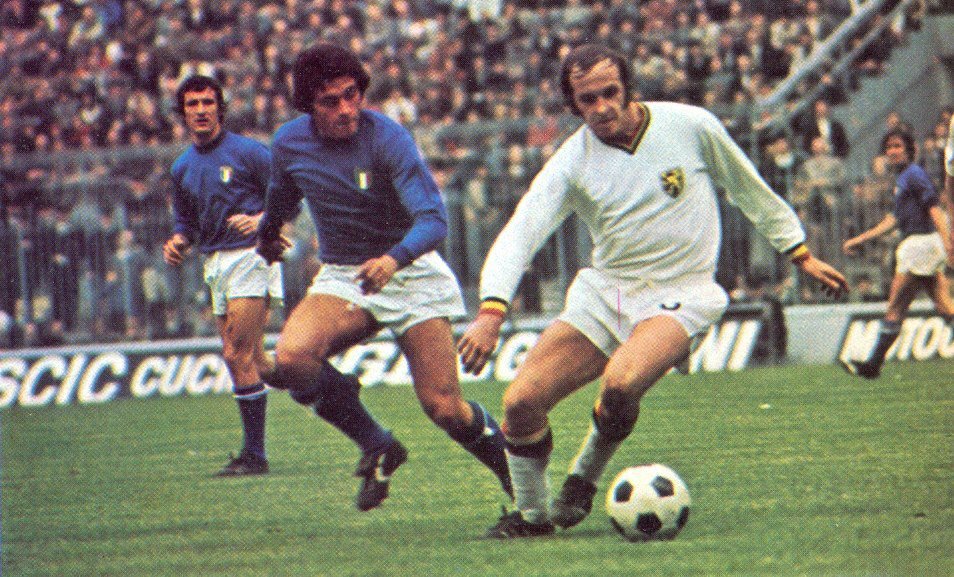
Belgium’s World Cup history reads like a novel where the protagonist keeps reaching the final chapter and then puts the book down. Moreover, for a country of just 11 million people, their football talent has been disproportionate to their size in ways that defy logical explanation.
The 1986 World Cup brought them to the semi-finals — beaten by Argentina, finishing fourth. Furthermore, it was the first indication that Belgium could compete with the world’s best. Then came the 1990 tournament, the 1994 and 1998 appearances, and then a long absence before the golden generation arrived and changed everything.
In 2018, moreover, Belgium produced one of the great modern World Cup performances. They beat Brazil in the quarter-finals with a counter-attacking masterclass that remains one of the finest tactical performances of the modern World Cup era. Then France shut them down in the semi-final and the golden generation’s best chance evaporated. As a result, that semi-final loss to France — the team they would have beaten in the final, many Belgian fans believe — haunts this generation to this day.
Then came Qatar 2022. The Red Devils crashed out in the group stage as their Golden Generation flopped in devastating fashion. Furthermore, it was not just the exit that hurt — it was the manner of it. Passive. Disorganised. A collection of individuals rather than a team.Consequently, the reaction inside Belgian football was seismic. Changes were made. Garcia was brought in. And the squad was rebuilt around a core that still believes it has one great tournament left.
The New Generation Rising Alongside the Veterans
One of the most interesting aspects of the Belgium FIFA World Cup 2026 squad, moreover, is that it is not purely a veterans’ farewell tour. Instead, Garcia has deliberately built a bridge between the golden generation and the next one.
The squad features a heavy presence of players born between 2001 and 2002 — led by names who are already competing at the highest levels of European football. Furthermore, Doku at 24 represents exactly the kind of talent that suggests Belgian football will not collapse when De Bruyne and Lukaku finally retire. In addition, Matias Fernandez-Pardo — an uncapped but hugely talented 21-year-old — has been included as an option to back up the experienced attackers.
As a result, even if 2026 ends in disappointment for the veterans, the foundation for the next Belgian generation is already being laid in North America. Nevertheless, for De Bruyne, Lukaku and Courtois, the next generation is not the story. The trophy is the story. And consequently, everything about this squad’s preparation has been focused on one single outcome.
Can Belgium Finally Win the World Cup? — Our Verdict
Belgium’s World Cup history is one of near-misses and maddening inconsistency. For a nation that produced Hazard, De Bruyne, Lukaku, Courtois and Kompany in the same generation, the absence of a major trophy is the defining story of Belgian football in the 21st century.
However, in 2026, the circumstances are uniquely favourable. Your sentence is already mostly in active voice. A cleaner, stronger active-voice version would be:
Furthermore, Belgium have not received a more manageable World Cup group in years. Egypt and Iran can challenge them, but Belgium should beat both teams, while New Zealand should provide three valuable points. As a result, Belgium should arrive at the knockout rounds fresh, organised and with maximum points.
Moreover, the bracket beyond the group stage could be kind. Given Belgium’s draw of Egypt, Iran and New Zealand — staying on the West Coast with matches in Los Angeles, Seattle and Vancouver — they should have no problem getting through the group stage. It is just what happens beyond that which is in question.
Nevertheless, above all of this sits one truth that every Belgian fan knows intimately. This generation has been here before. They have had the talent. They have had the opportunity. And they have consistently found new ways to fall short precisely when the tournament demanded everything they had.
In 2026, however, something feels different. Garcia has brought organisation. Doku has brought electricity. And De Bruyne — knowing this is his last chance — has brought a focus and a hunger that those who have watched Belgium train describe as unlike anything they have seen from him before.
Our Prediction
Belgium win Group G with three clean sheets. In the round of 32 they beat Colombia comfortably — Lukaku scoring twice in a statement performance that silences every critic who questioned his fitness. In the quarter-finals, they face England. De Bruyne produces a masterclass. Belgium win 2-1 and reach the semi-finals for the second time in their history. In the semi-finals, they face Spain. Doku scores the goal of the tournament. Nevertheless, Spain’s collective quality proves too much — Belgium lose 2-1 in extra time.
Fourth place. Again. Not the ending the golden generation deserved.
But De Bruyne raises the fourth-place trophy with tears in his eyes — knowing he gave everything he had. And Belgian football, consequently, finally closes the most extraordinary chapter in its history with dignity, grace and a performance worthy of the talent that produced it.
Frequently Asked Questions
Q: Who is Belgium’s captain at the 2026 World Cup? Kevin De Bruyne captains Belgium at the 2026 World Cup — widely expected to be his final tournament at 35 years old. He is Belgium’s most important player and the creative heartbeat of everything Garcia’s team does.
Q: What group is Belgium in at World Cup 2026? Group G — alongside Egypt, Iran and New Zealand. Their opening match is June 15 against Egypt at Lumen Field in Seattle. They then face Iran in Los Angeles on June 21 before playing New Zealand in Vancouver on June 26.
Q: Has Belgium ever won the World Cup? No — Belgium’s best result is third place at the 2018 World Cup in Russia, where they beat Brazil in the quarter-finals before losing to eventual runners-up France in the semi-final.
Q: Who is Belgium’s best player at the 2026 World Cup? Kevin De Bruyne is Belgium’s most important player — however Jérémy Doku is arguably their most dangerous, bringing pace and unpredictability that no other player in the squad can match. Lukaku’s fitness will determine which of the three defines Belgium’s tournament.
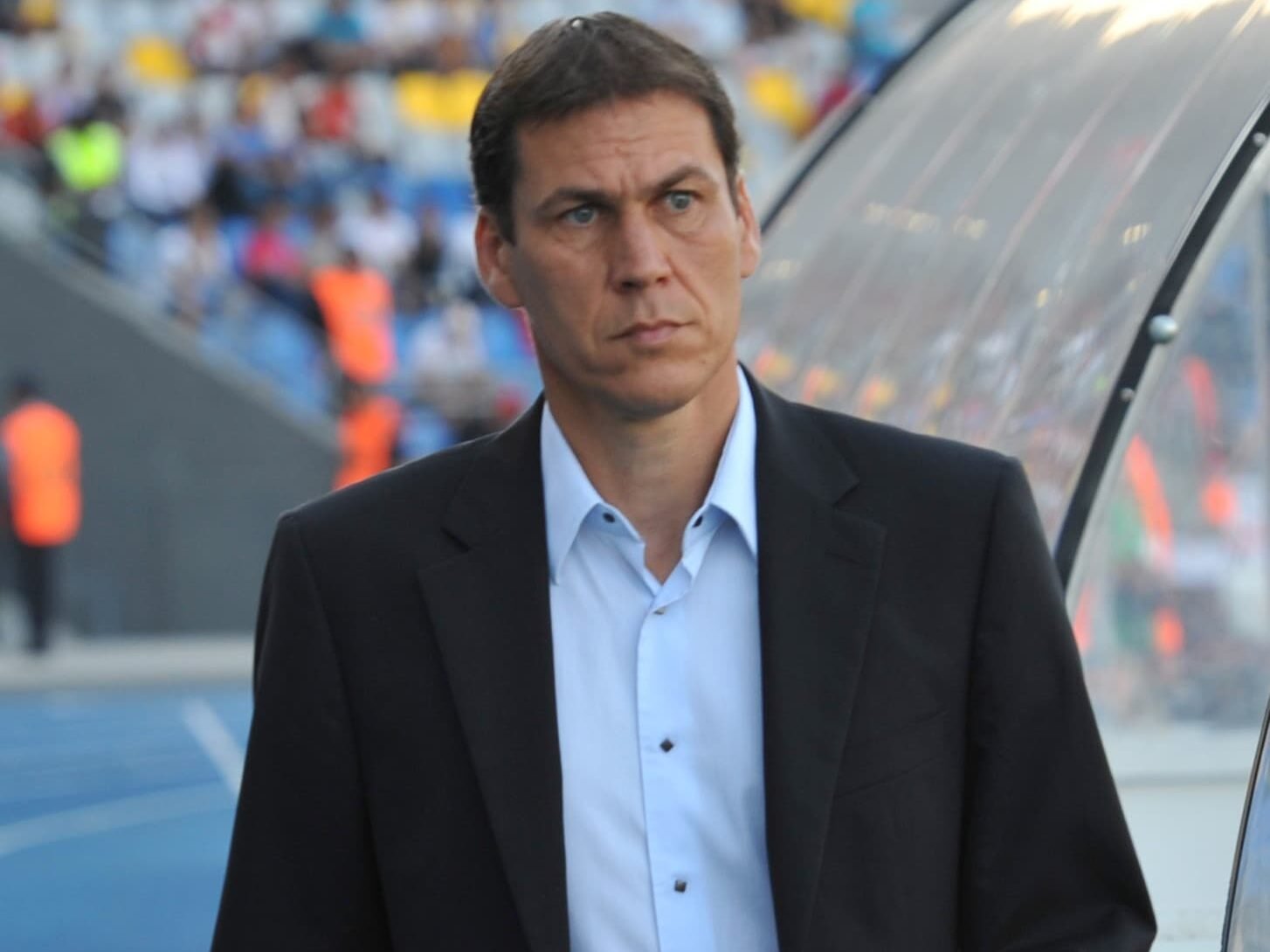
Q: Who is Belgium’s coach at the 2026 World Cup? Rudi Garcia — the French manager who took over during the qualifying cycle and guided Belgium to the 2026 World Cup with an unbeaten qualification campaign. He previously managed Lille, Roma, Lyon, Marseille and Napoli at club level.
Q: What are Belgium’s chances of winning the 2026 World Cup? Belgium are genuine dark horse contenders — ranked third in the world, with De Bruyne, Lukaku, Doku and Courtois still capable of competing with any team in the tournament. However, their history of underperforming at major tournaments means that confidence must be cautious rather than absolute.