
Bosnia Herzegovina FIFA World Cup 2026 – Dzeko at 40, Italy Beaten on Penalties and the Dragons Return
The Bosnia Herzegovina FIFA World Cup 2026 story begins with one of the most dramatic nights in the history of Balkan football.
March 31, 2026. Zenica, Bosnia. A packed stadium. Italy — four-time world champions — standing between Bosnia and a World Cup place. Furthermore, nobody outside Bosnia gave the Dragons a realistic chance. Italy had the quality, the experience and the occasion on their side.
Bosnia beat four-time champions Italy on penalties in their playoff final after also coming through the semi-finals against Wales on a shootout. Moreover, the hero of that penalty shootout was not the most experienced player in the squad. Instead, it was a 21-year-old winger born in Massachusetts, raised in America, who chose Bosnia over the United States. Esmir Bajraktarević scored the winning penalty in the playoff final against Italy.
Consequently, the Bosnia Herzegovina FIFA World Cup 2026 qualification story ranks among the most extraordinary in European football history. Furthermore, beating Wales in the semi-final and Italy in the final — both on penalties — required a mental strength and collective belief that no ranking could have predicted. As a result, when Bosnia walk onto the pitch in Group B, they carry the confidence of a team that has already beaten the odds once.
Moreover, Bosnia announced the first full 26-player squad of the entire 2026 FIFA World Cup on May 11, 2026 — before practically any other nation. In other words, Barbarez had his preparations completed before the world’s biggest football nations had even begun theirs. Above all, that detail reveals something important about this team’s mindset. They are not here to participate. They are here to compete.
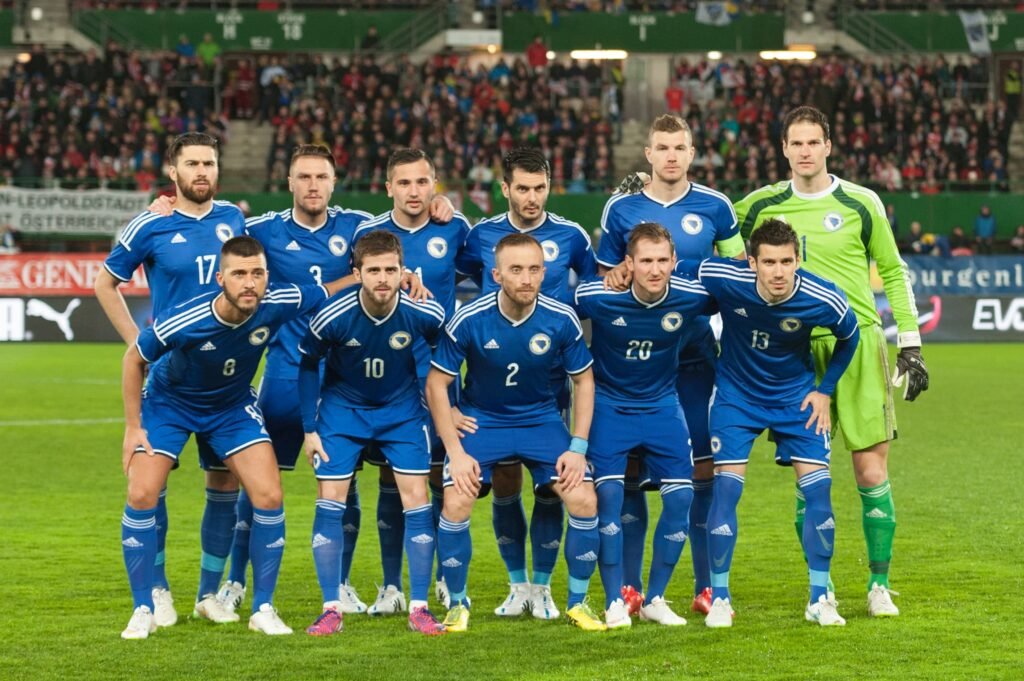
Quick Facts
| FIFA Ranking | #55 | Coach | Sergej Barbarez |
| Group | Group B | Captain | Edin Džeko |
| World Cup Appearances | 2 (2014, 2026) | Best Result | Group stage (2014) |
| First Match | June 12 vs Canada | Star Player | Edin Džeko |
Bosnia Herzegovina FIFA World Cup 2026 Key Players
Edin Džeko — The 40-Year-Old Legend Playing His Final World Cup
There are players who deserve a World Cup farewell. Furthermore, there are players who earn one through sheer refusal to accept that time has beaten them. Edin Džeko belongs firmly in the second category.
Džeko is 40 years old and will compete in the final World Cup of his career. He arrives as Bosnia’s all-time top scorer with 73 goals. Moreover, his form in the 2. Bundesliga at Schalke 04, where he became the oldest goalscorer in the league’s history earlier this year, kept him as a guaranteed starter. Furthermore, he scored six goals in Bosnia’s 2026 FIFA World Cup qualifying campaign, including a dramatic late equaliser in the playoff semi-final with Wales.
At 40, Džeko does not run past defenders anymore. Nevertheless, he finds space in the penalty box better than almost anyone in this squad. As a result, his positional intelligence — built across a career spanning Manchester City, Roma, Inter Milan and now Schalke — makes him more dangerous than his age suggests. Moreover, he won the Premier League twice with Manchester City and lifted the Coppa Italia with Roma. He reached the Europa League final with Inter Milan in 2023.
Furthermore, this is his final chapter. Consequently, every minute he plays in Canada and the United States carries the weight of a career that changed Bosnian football permanently. Above all, no player in this tournament deserves a World Cup moment more than Edin Džeko.
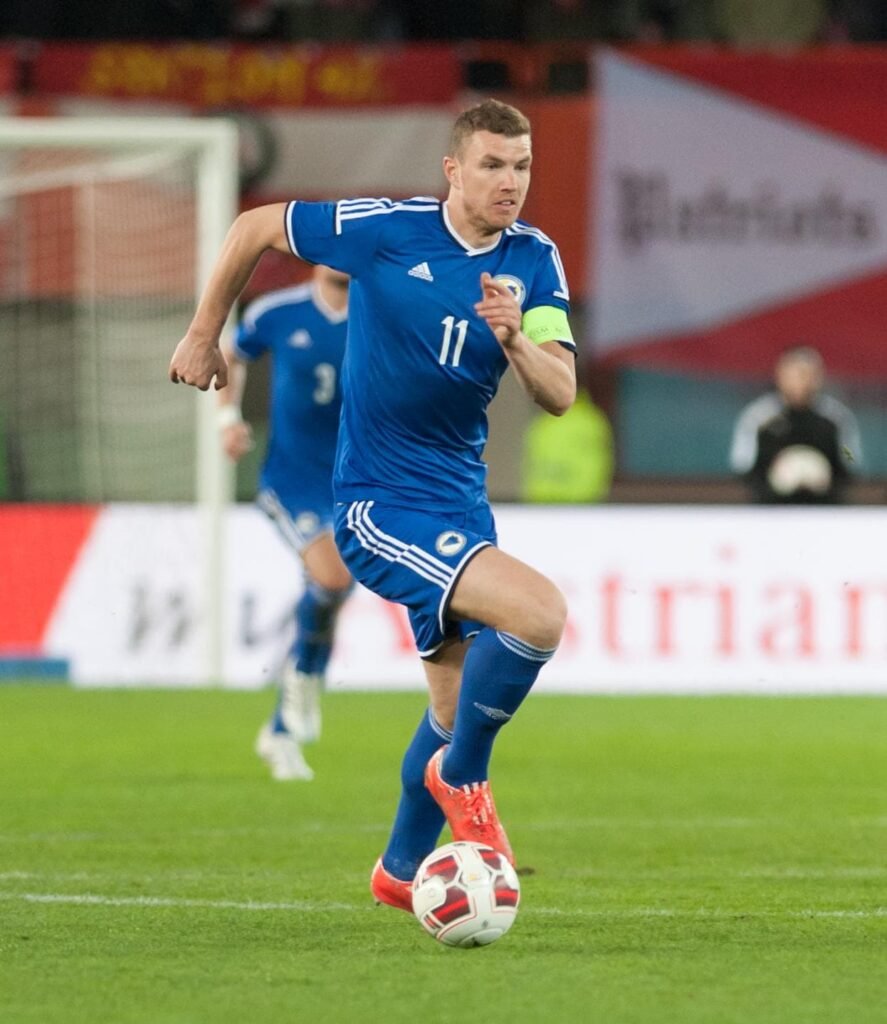
Esmir Bajraktarević — The American-Born Winger Who Chose Bosnia
Esmir Bajraktarević is 21 years old and plays as a winger for PSV Eindhoven. The American-born playmaker switched allegiance to Bosnia in 2024 after growing up in Massachusetts. Furthermore, his decision to represent Bosnia rather than the United States — where the tournament is co-hosted — adds a fascinating personal dimension to his story.
Moreover, his role in the Italy playoff final defined his entire international career in one moment. Bajraktarević scored the winning penalty against Italy — the kick that sent Bosnia to their second World Cup. As a result, he arrives at the tournament carrying hero status among Bosnian fans. Furthermore, his pace, directness and ability to beat defenders in one-on-one situations make him the most exciting attacking player in this squad.
Consequently, when Bosnia attack from the flanks against Canada, Switzerland and Qatar, Bajraktarević will be the player Barbarez trusts to create the decisive moments. Furthermore, his PSV Eindhoven experience — competing in the Champions League and Eredivisie against high-quality opposition — prepares him for exactly the level this tournament demands.
Ermedin Demirović — Bosnia’s Clinical Striker and European-Proven Goal Threat
Ermedin Demirović arrived at this tournament as one of Bosnia’s most important attacking figures. Furthermore, the Stuttgart forward brings Bundesliga experience and a proven scoring record at the highest level of German football. Moreover, his combination of pace, physical strength and clinical finishing gives Bosnia a secondary goal threat that takes significant pressure off Džeko.
As a result, Barbarez has two very different attacking profiles to choose from. Džeko provides intelligent movement, positional experience and the ability to score from tight angles. Demirović provides pace, pressing intensity and the directness that hurts teams defending deep. Furthermore, deploying both simultaneously creates problems that opponents cannot solve with a single defensive approach
Amar Dedić — The Benfica Defender Anchoring Bosnia’s Right Side
Amar Dedić brings European pedigree and defensive quality from his time at Benfica. Furthermore, his experience competing in the Portuguese Primeira Liga and Champions League gives Bosnia’s backline a quality that the team’s ranking does not fully reflect. Moreover, as a marauding right-back capable of contributing in both defence and attack, Dedić gives Barbarez tactical width that allows Bosnia to play expansively when the match demands it.
Consequently, his form heading into this tournament is one of the key factors in how well Bosnia defend against the pace of Canada’s wingers and the technical quality of Switzerland’s midfield. Furthermore, at 25, he represents exactly the kind of young European-based talent that Barbarez has built the new Bosnia around.
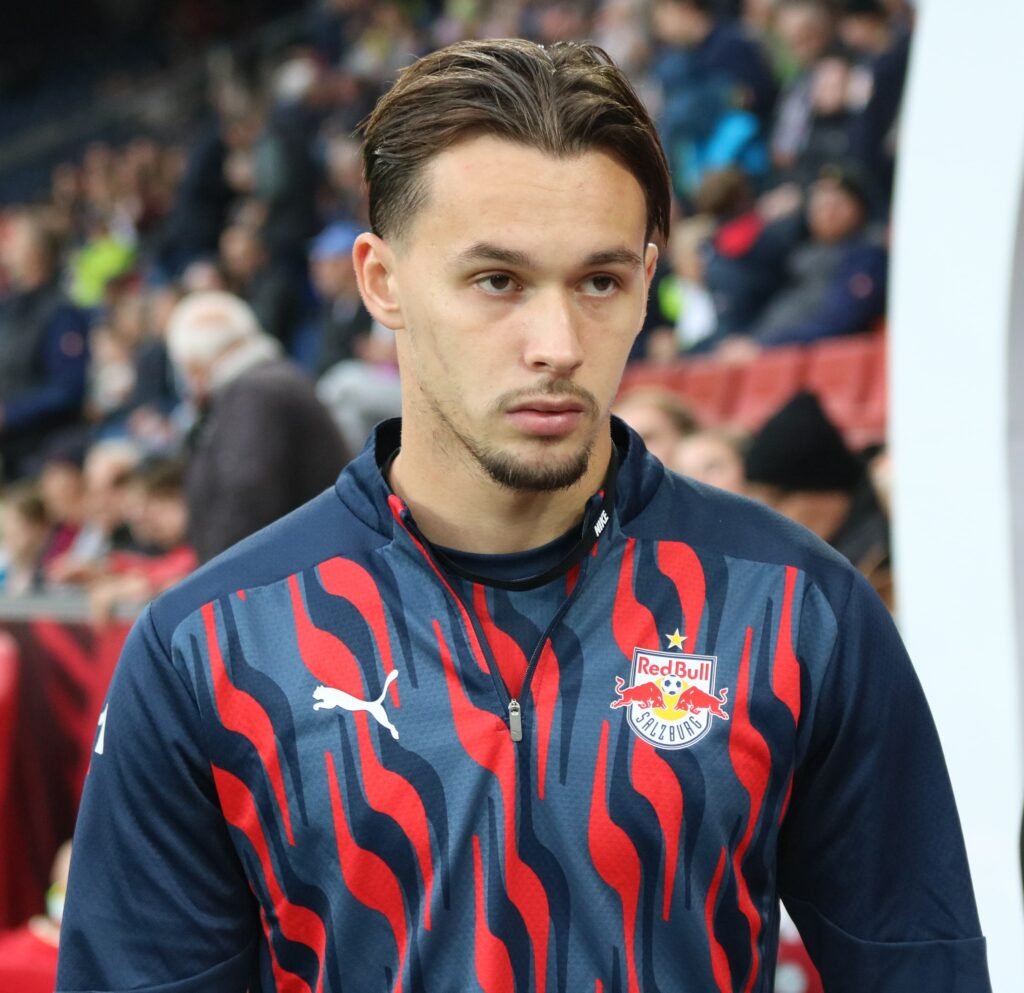
Benjamin Tahirović — The Rising Midfield Star
Benjamin Tahirović brings energy, creativity and technical quality to Bosnia’s midfield. Furthermore, the Brøndby midfielder has grown significantly in recent seasons — developing from a promising youngster into a reliable starter at European club level. Moreover, his ability to control possession under pressure, drive forward with the ball and deliver final passes gives Bosnia’s midfield a dynamism that previous squads lacked.
As a result, alongside Rade Krunić’s experience, Tahirović gives Barbarez a midfield combination that balances youth with quality. Furthermore, in the matches where Bosnia need to control possession and build attacks patiently — particularly against Switzerland — his technical ability under pressure will be crucial.

Kerim Alajbegović — The 18-Year-Old Salzburg Wildcard
Kerim Alajbegović is 18 years old and the squad’s youngest player. He plays for RB Salzburg and scored against San Marino in qualifying. Barbarez used him off the bench in both playoff matches. His technical quality and fearlessness on the ball make him a genuine wild card in North America.
Furthermore, his inclusion in a World Cup squad at 18 tells you everything about the impression he made during preparation. Moreover, at RB Salzburg — one of Europe’s finest development clubs — he has received the tactical education and competitive intensity that transforms promising teenagers into world-class players. Consequently, if Barbarez unleashes him at a crucial moment in Group B, the whole tournament will begin learning his name.

The End of an Era — Pjanić Retires and a Generation Closes
Before discussing tactics further, one significant moment demands acknowledgement. Furthermore, it changes the emotional texture of this Bosnia squad entirely.
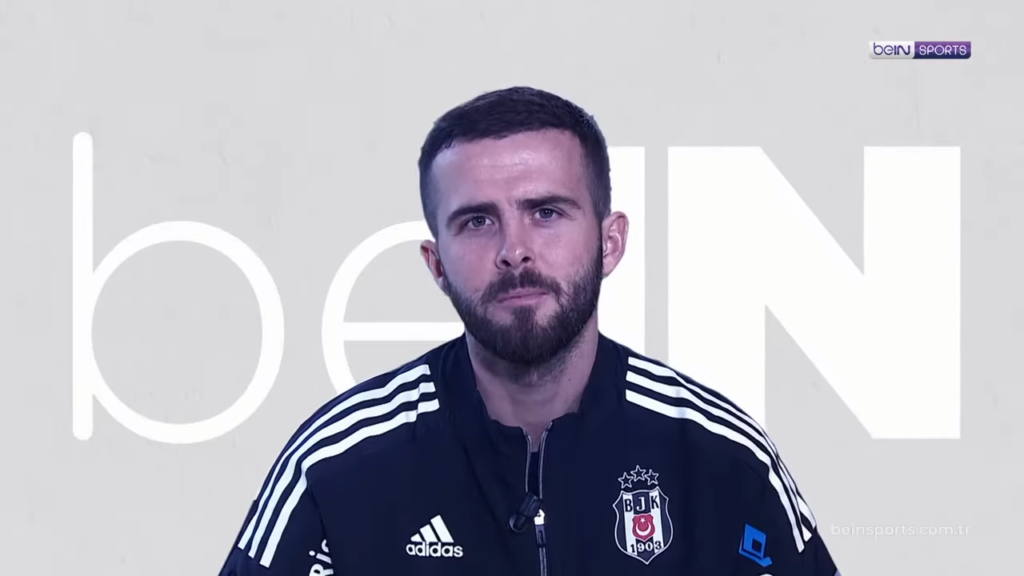
Miralem Pjanić officially retired from football in December 2025 — leaving Džeko as the final active member of Bosnia’s golden generation. Moreover, Pjanić and Džeko represented Bosnian football’s highest point — two genuinely world-class players who competed at Barcelona, Juventus, Inter Milan and Manchester City. As a result, this World Cup marks the true end of that generation.
Furthermore, Džeko carries that legacy alone now. Consequently, every goal he scores, every assist he creates and every intelligent run he makes in North America represents not just his own farewell — but the final chapter of an era that gave Bosnian football its greatest moments. Above all, the weight and the beauty of that responsibility makes this one of the most emotionally charged individual stories at the entire 2026 tournament.
Bosnia Herzegovina World Cup 2026 Tactics and Formation
Barbarez Builds a Balanced System
Barbarez built the team around a solid 4-2-3-1 formation — a structure that places Džeko as the focal point of the attack, with Bajraktarević and Demirović supporting from wide positions. Furthermore, the two holding midfielders protect the backline while giving the attacking players freedom to express themselves. Moreover, Krunić and Tahirović form a midfield partnership that combines defensive discipline with creative quality.
In other words — Bosnia defend with a compact shape, win the ball quickly and then release Bajraktarević and Demirović into the spaces that open up in transition. As a result, opponents who push forward against Bosnia expose themselves to exactly the kind of quick, direct counter-attacks that Barbarez has drilled into this squad throughout qualification.
The Pressing System That Beat Italy
Nevertheless, the 4-2-3-1 tells only part of the story. Furthermore, what made Bosnia genuinely dangerous against Wales and Italy was not simply their defensive organisation — it was their pressing intensity in the middle third.
Barbarez has built this squad around a balance of veteran leaders and youth who accelerate Bosnia’s development forward. Moreover, that balance creates a pressing unit with both the experience to know when to press and the physical energy to execute it effectively across 90 minutes. Consequently, against Canada’s relatively inexperienced squad, that pressing intensity could prove decisive in the opening group match.
Bosnia Herzegovina World Cup Group Stage Analysis — Group B
Group B Full Breakdown
| Team | FIFA Ranking | Strength Level | Key Player | Bosnia’s Honest Assessment |
|---|---|---|---|---|
| 🇨🇭 Switzerland | #17 | ⭐⭐⭐⭐ | Granit Xhaka | The group favourite — disciplined and technically excellent |
| 🇨🇦 Canada | #38 | ⭐⭐⭐ | Alphonso Davies | Home nation with crowd advantage — the crucial opening match |
| 🇧🇦 Bosnia & Herz. | #55 | ⭐⭐⭐ | Edin Džeko | Dark horse — Italy beaten in qualification, nothing to fear |
| 🇶🇦 Qatar | #51 | ⭐⭐ | Akram Afif | Must-win match — three points essential and expected |
Bosnia Herzegovina Group B Fixtures and Predictions
| Match | Date | Venue | Prediction | Why |
|---|---|---|---|---|
| 🇨🇦 Canada vs 🇧🇦 Bosnia & Herz. | June 12, 2026 | BMO Field, Toronto | Draw 1–1 | Džeko equalises late — Bosnia earn a valuable away point in Canada |
| 🇧🇦 Bosnia & Herz. vs 🇶🇦 Qatar | June 18, 2026 | BC Place, Vancouver | Bosnia 2–0 | Demirović and Bajraktarević both score — comfortable win |
| 🇨🇭 Switzerland vs 🇧🇦 Bosnia & Herz. | June 23, 2026 | BC Place, Vancouver | Switzerland 2–1 | Switzerland’s quality proves decisive — however Bosnia compete brilliantly |
Predicted Group B Final Standings
| Pos | Team | Played | W | D | L | GF | GA | Pts |
|---|---|---|---|---|---|---|---|---|
| 🥇 1st | 🇨🇭 Switzerland | 3 | 2 | 1 | 0 | 5 | 2 | 7 |
| 🥈 2nd | 🇨🇦 Canada | 3 | 1 | 1 | 1 | 4 | 3 | 4 |
| 3rd | 🇧🇦 Bosnia & Herz. | 3 | 1 | 1 | 1 | 4 | 5 | 4 |
| 4th | 🇶🇦 Qatar | 3 | 0 | 1 | 2 | 1 | 4 | 1 |
One-line verdict: Bosnia finish third in Group B with four points — consequently, as one of the eight best third-placed teams, they could advance to the Round of 32. Furthermore, a draw against Canada on June 12 and a win over Qatar gives them a strong platform to compete for that position.
Bosnia Herzegovina World Cup 2026 Strengths and Weaknesses
| ✅ Strengths | ❌ Weaknesses |
|---|---|
| Džeko — 73 international goals, world-class positional intelligence at 40 | Džeko at 40 — the body cannot sustain 90-minute performances across seven matches |
| Beat Italy on penalties in qualification — proven mental strength under pressure | Pjanić retired — the creative quality he provided in midfield has no direct replacement |
| Bajraktarević — explosive winger, penalty shootout hero, PSV Champions League experience | Canada’s home crowd advantage on June 12 creates a difficult opening environment |
| Demirović — Bundesliga-proven striker, clinical finishing at the highest level | Only second World Cup appearance — limited tournament experience across the squad |
| First nation to publish full 26-man squad — preparation and organisation well ahead of rivals | Switzerland as the seeded group favourite — the hardest match comes last |
| Barbarez — former Bosnia international, deep understanding of the squad’s psychology | FIFA ranking of 55 — significant quality gap against Switzerland |
Bosnia Herzegovina World Cup History — 2014 Debut and the 12-Year Gap
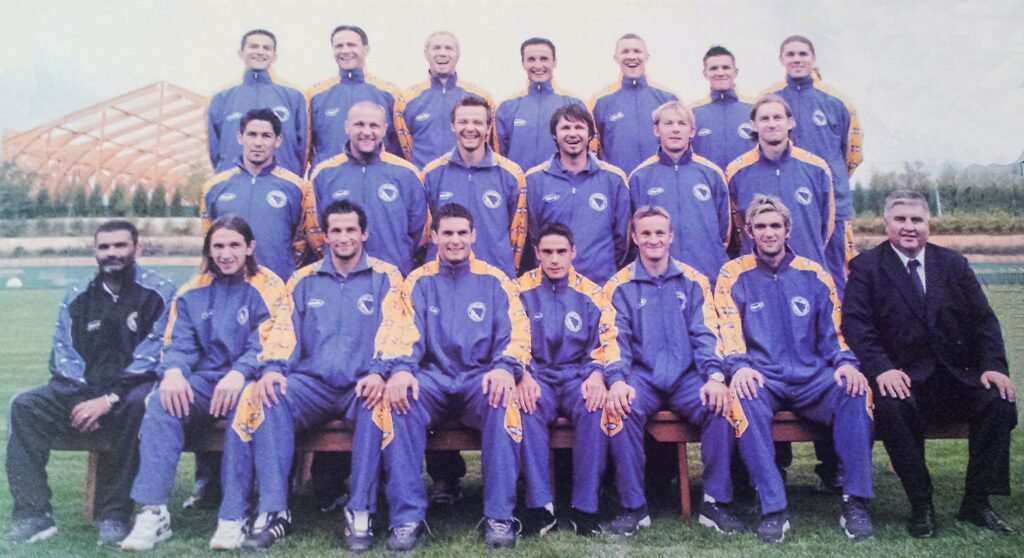
Herzegovina will contest the FIFA men’s World Cup for just the second time in their history — 12 years after making their debut in Brazil. Furthermore, for a country that only declared independence in 1995, reaching two World Cups represents a remarkable sporting achievement for a nation still building its football infrastructure.
The 2014 Story
The 2014 campaign produced moments of genuine quality. Moreover, Bosnia drew with Argentina in a match where Džeko scored a brilliant goal and proved beyond doubt that Bosnian football belonged at the highest level. Nevertheless, they lost to Nigeria and Argentina and went home in the group stage — frustrated by the feeling that their quality had not been fully rewarded.
A 12-Year Wait
Furthermore, the years between 2014 and 2026 tested Bosnian football severely. Several qualification campaigns fell short. Players retired. The golden generation aged. Moreover, without Pjanić and with Džeko approaching 40, many observers assumed Bosnia’s World Cup story had already reached its conclusion.
Consequently, the qualification campaign that sent them to 2026 carried enormous significance. As a result, beating Wales and then Italy — in consecutive penalty shootouts — told the football world that Bosnia’s determination had not diminished one single degree. Above all, it proved that this squad deserved its place among the world’s 48 best teams.
Can Bosnia Reach the Round of 16? — Our Verdict
Advancing from Group B in the top two requires overcoming Canada on home soil and Switzerland’s technical quality. Furthermore, both represent genuine challenges for a squad ranked 55th in the world.
Nevertheless, above all the rankings and the analysis, one truth dominates every other consideration about this Bosnia squad. They beat Italy — the four-time world champions — on penalties three months ago. Moreover, they did so on home soil in front of a delirious crowd in Zenica. Consequently, the belief inside this dressing room is completely justified.
This Bosnia squad arrives in North America with unfinished business — Džeko and Kolašinac chasing one last knockout run, while the young core led by Bajraktarević and Alajbegović is only just getting started. Furthermore, that combination — experienced veterans leading, young talent following — creates exactly the squad dynamic that produces tournament upsets.
Our Prediction
Bosnia draw 1-1 with Canada in Toronto, with Džeko heading in an 82nd-minute equaliser to silence the home crowd. They then beat Qatar 2-0 in Vancouver as Demirović and Bajraktarević score the goals. However, Bosnia lose 2-1 to Switzerland despite producing a competitive and proud performance. As a result, Bosnia finish third with four points and advance to the Round of 32 as one of the best third-placed teams.
Moreover, they face the Netherlands in the knockout stage and, for 75 extraordinary minutes, make Virgil van Dijk work harder than at any point in the tournament. Eventually, the Netherlands secure a 2-1 victory and end Bosnia’s remarkable run.
Nevertheless, Bosnia leave the tournament with pride. After all, they beat Italy to qualify, progressed from a group containing a home nation and a top-20 European side, and gave their fans unforgettable moments. Furthermore, Džeko completes the final World Cup appearance of his legendary career, while Bajraktarević and Alajbegović lead the next generation into the future.
Frequently Asked Questions About Bosnia Herzegovina World Cup
Q: Who is Bosnia Herzegovina’s captain at the 2026 World Cup?
Edin Džeko captains Bosnia at 40 years old and enters the tournament as the nation’s all-time top scorer with 73 goals.
Q: How did Bosnia qualify for World Cup 2026?
Bosnia qualified by beating Wales and Italy on penalties in the playoffs, with Esmir Bajraktarević scoring the decisive penalty against Italy.
Q: What group is Bosnia in at World Cup 2026?
Bosnia are in Group B with Canada, Switzerland and Qatar.
Q: Who is Bosnia’s coach at World Cup 2026?
Sergej Barbarez leads Bosnia after guiding them through a dramatic playoff campaign.
Q: Has Bosnia won a World Cup match before?
Yes. Bosnia earned their first World Cup victory during their debut tournament in 2014.
Q: What are Bosnia’s chances at World Cup 2026?
Bosnia have a strong chance to compete for third place in Group B and could challenge for knockout qualification.