
Scotland FIFA World Cup 2026 – Robertson, McTominay and Scotland’s Biggest Chance in a Generation
The Scotland FIFA World Cup 2026 campaign carries the hopes of an entire football nation desperate for a modern World Cup moment.
For decades, Scotland supporters have lived with painful memories, near-misses and the constant frustration of watching major tournaments from home. Furthermore, despite producing passionate fans and talented players consistently, Scotland failed to qualify for a World Cup after 1998. However, under Steve Clarke, everything slowly began to change. Consequently, Scotland now arrive in North America believing they finally possess the structure, leadership and mentality required to compete internationally again.
This generation already restored pride by reaching consecutive European Championships. Nevertheless, the World Cup feels different emotionally. Furthermore, Scotland’s football identity has always been deeply connected to global tournaments, dramatic nights and unforgettable atmospheres. Therefore, qualification for 2026 represents more than sporting success — it feels like the return of a national football culture.
Above all, this squad believes it can do more than simply participate. Andy Robertson brings elite leadership from Liverpool. Scott McTominay continues delivering crucial goals for the national team. Moreover, young talents such as Billy Gilmour and Ben Doak give Scotland technical quality and fearlessness rarely associated with previous generations. As a result, optimism across the country has reached levels not seen for decades.
The Scotland FIFA World Cup 2026 story is about ending long years of disappointment and proving Scottish football still belongs among the world’s great football nations.
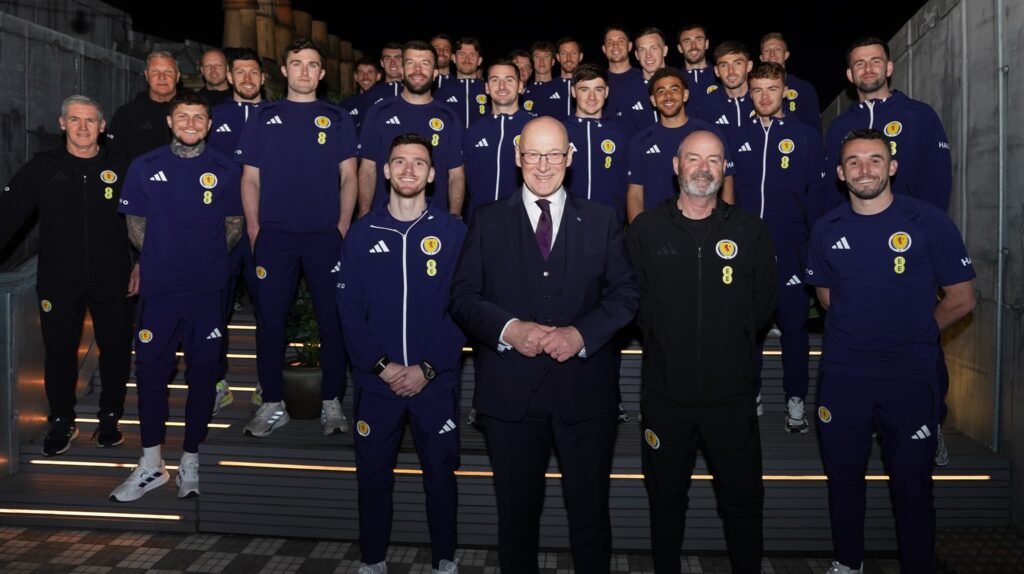
Quick Facts
| FIFA Ranking | #23 | Coach | Steve Clarke |
| Group | Group C | Captain | Andy Robertson |
| World Cup Appearances | 9th | Last Appearance | 1998 |
Scotland FIFA World Cup 2026 Key Players
Andy Robertson — Scotland’s Inspirational Captain
Andy Robertson represents everything modern Scotland want to become.
Furthermore, the Liverpool left-back has risen from lower-league Scottish football to winning the Premier League and Champions League at the highest level. Moreover, his relentless energy, leadership and emotional connection with supporters make him the heartbeat of the national team. Consequently, Scotland follow Robertson’s intensity in every major match.
Robertson contributes far more than leadership alone. Furthermore, his attacking overlaps and crossing quality remain central to Scotland’s system, especially during transitions and wide overloads. As a result, Scotland frequently build attacks through his movement down the left side.
Most importantly, Robertson understands the emotional responsibility of captaining Scotland at a World Cup. Furthermore, he grew up during the years when Scotland repeatedly failed to qualify for tournaments. Therefore, leading the nation back onto football’s biggest stage carries enormous personal meaning.

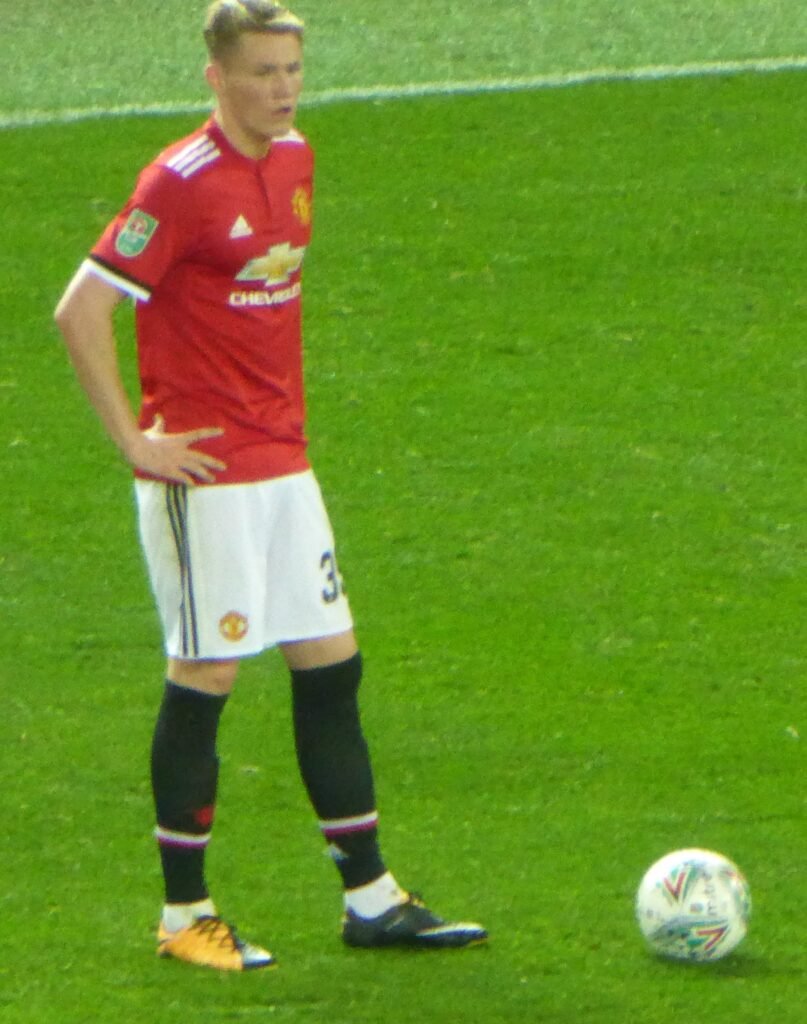
Scott McTominay — The Goalscoring Midfield Force of Scotland FIFA World Cup 2026
No Scotland player transformed international reputation more dramatically in recent years than Scott McTominay.
Furthermore, while often playing deeper midfield roles at club level, McTominay became Scotland’s most decisive attacking threat during qualification campaigns. His late runs into the penalty area, physical power and composure in front of goal repeatedly rescued Scotland during difficult matches. Consequently, supporters now view him as one of the national team’s most important players.
McTominay perfectly suits Steve Clarke’s tactical approach. Furthermore, his ability to contribute defensively while arriving aggressively in attacking areas gives Scotland midfield balance without sacrificing goal threat. Moreover, his physicality becomes especially valuable against technically superior opponents. Therefore, McTominay often defines whether Scotland can compete physically in major tournament matches.
Billy Gilmour — Scotland’s Technical Midfield Controller
Billy Gilmour gives Scotland something previous generations often lacked — midfield composure under pressure.
Furthermore, the technically gifted midfielder thrives in possession-heavy situations and rarely loses calmness against aggressive pressing. Moreover, his passing range and tactical intelligence allow Scotland to control tempo more effectively during difficult periods of matches. Consequently, Gilmour has become a key figure in Scotland’s evolving football identity.
Unlike traditional Scottish midfielders known primarily for aggression and work rate, Gilmour brings creativity and technical subtlety. Furthermore, his ability to escape pressure with quick passing combinations helps Scotland transition smoothly between defensive and attacking phases.

John McGinn — Scotland FIFA World Cup 2026 Emotional Leader
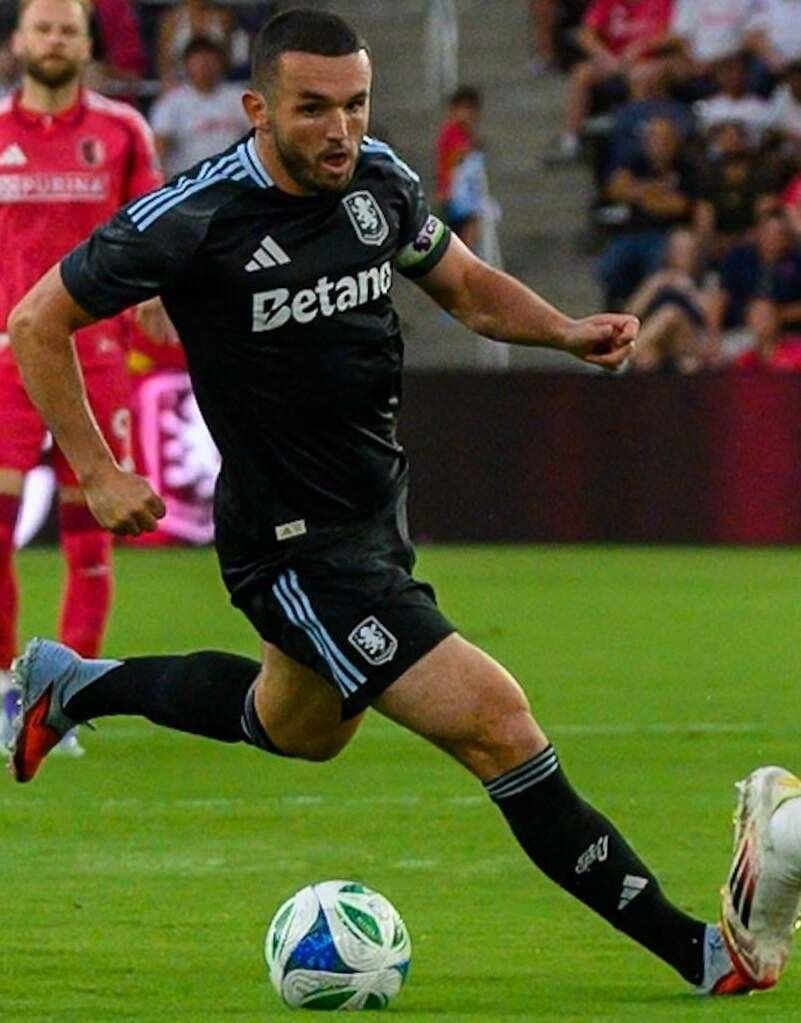
John McGinn plays football with emotion visible in every movement.
Furthermore, the Aston Villa midfielder combines relentless work rate with surprising creativity and goalscoring ability. Moreover, his personality and connection with supporters make him one of the most beloved figures in the squad. Consequently, McGinn often becomes Scotland’s emotional spark during tense moments.
Importantly, his pressing intensity fits perfectly within Clarke’s disciplined structure. Furthermore, McGinn constantly disrupts opposition build-up play while contributing dangerous runs into attacking positions. Therefore, he remains essential to Scotland’s tactical balance.
Ben Doak — The Fearless Young Talent Ready to Explode
Ben Doak could become Scotland’s breakout player in North America.
Furthermore, the young winger possesses explosive pace, direct dribbling ability and the confidence to attack defenders relentlessly. Moreover, Scotland have lacked truly fearless one-versus-one attackers for years. Consequently, Doak offers something unpredictable that opponents cannot easily prepare for.
At just 20 years old, the World Cup could become the tournament that introduces him globally. Furthermore, his willingness to take risks offensively gives Scotland an important attacking wildcard.

Steve Clarke — The Manager Who Restored Scottish Belief
Steve Clarke inherited a Scotland team damaged by years of disappointment and underachievement.
Furthermore, qualification failures had created negativity and emotional fatigue across Scottish football. However, Clarke rebuilt the national side patiently through defensive organisation, tactical discipline and collective belief. Moreover, his calm leadership transformed Scotland into a far more resilient tournament team. Consequently, supporters now trust the national team again.
Unlike previous eras built heavily around emotion alone, Clarke prioritised structure and consistency. Furthermore, he understood Scotland could not compete internationally without defensive discipline and tactical clarity. Therefore, his system values compactness, organisation and intelligent transitions.
Most importantly, Clarke restored pride. Scotland now enter tournaments believing they belong rather than simply hoping to survive.

Scotland FIFA World Cup 2026 Tactics and Formation
Scotia will approach the World Cup with organisation, aggression and emotional intensity.
Steve Clarke primarily deploys a flexible 3-4-2-1 system designed to maximise Scotland’s wing-back strengths while maintaining defensive compactness centrally. Furthermore, Robertson and Hickey provide width aggressively from wide positions while McTominay and Gilmour balance midfield responsibilities. Consequently, Scotland remain difficult to break down while still carrying attacking threat during transitions.
The system also allows Scotland to defend compactly against elite opposition. Furthermore, Clarke’s side are comfortable surrendering possession before attacking quickly through direct passing and overlapping runs. As a result, Scotland become especially dangerous during emotional momentum swings inside matches.
Set pieces remain another crucial weapon. Furthermore, Scotland possess strong aerial threats through McTominay, McKenna and Dykes. Therefore, corners and free kicks could decide tight group-stage encounters.
Nevertheless, creativity against low defensive blocks remains inconsistent. Furthermore, Scotland sometimes struggle when forced to dominate possession against organised defensive teams. Consequently, scoring first becomes extremely important tactically.
Group Stage Analysis — Scotland FIFA World Cup 2026
Group C Breakdown
| Team | FIFA Ranking | Strength Level | Key Player | Scotland’s Honest Assessment |
|---|---|---|---|---|
| 🇧🇷 Brazil | #5 | ⭐⭐⭐⭐⭐ | Vinicius Junior | Tournament giants and group favourites |
| 🏴 Scotland | #23 | ⭐⭐⭐⭐ | Scott McTominay | Organised dark horses with momentum |
| 🇲🇦 Morocco | #11 | ⭐⭐⭐⭐ | Achraf Hakimi | Technically dangerous and tactically disciplined |
| 🇭🇹 Haiti | #58 | ⭐⭐⭐ | Duckens Nazon | Energetic underdogs with pace |
Scotland FIFA World Cup 2026 Group Fixtures and Predictions
| Match | Date | Venue | Prediction | Why |
|---|---|---|---|---|
| 🏴 Scotland vs 🇭🇹 Haiti | June 16, 2026 | BC Place, Vancouver | Scotland 2–0 | Scotland’s physicality overwhelms Haiti |
| 🇲🇦 Morocco vs 🏴 Scotland | June 21, 2026 | AT&T Stadium, Dallas | 1–1 Draw | Tight tactical battle ends level |
| 🇧🇷 Brazil vs 🏴 Scotland | June 26, 2026 | SoFi Stadium, Los Angele s | Brazil 3–1 | Brazil’s attacking quality proves too strong |
Predicted Group C Standings
| Pos | Team | Played | W | D | L | GF | GA | Pts |
|---|---|---|---|---|---|---|---|---|
| 🥇 1st | 🇧🇷 Brazil | 3 | 3 | 0 | 0 | 8 | 2 | 9 |
| 🥈 2nd | 🏴 Scotland | 3 | 1 | 1 | 1 | 4 | 4 | 4 |
| 3rd | 🇲🇦 Morocco | 3 | 1 | 1 | 1 | 3 | 3 | 4 |
| 4th | 🇭🇹 Haiti | 3 | 0 | 0 | 3 | 1 | 7 | 0 |
One-line verdict: Scotland’s organisation, mentality and midfield energy could finally carry them into the knockout stage again.
Strengths and Weaknesses at Scotland FIFA World Cup 2026
| ✅ Strengths | ❌ Weaknesses |
|---|---|
| Andy Robertson provides elite leadership and experience | Creativity against deep defensive teams remains inconsistent |
| McTominay delivers goals from midfield regularly | Squad depth weaker than elite European nations |
| Strong tactical organisation under Steve Clarke | Heavy emotional pressure after long World Cup absence |
| Dangerous set-piece quality | Defensive transitions can become vulnerable against pace |
| Excellent team chemistry and fighting spirit | Reliance on physical intensity may cause fatigue |
| Improved technical quality through players like Gilmour | Lack of elite world-class striker |
Scotland’s World Cup History — Glory, Heartbreak and Long Years of Waiting
Scotland’s relationship with the World Cup has always been emotional.
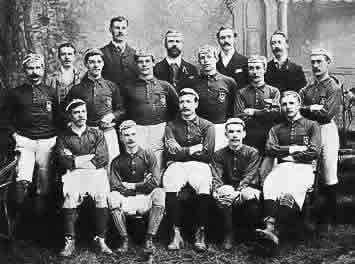
Furthermore, Scotland qualified for eight consecutive World Cups between 1974 and 1998 yet never progressed beyond the group stage. Moreover, generations of talented players and passionate supporters experienced repeated heartbreak through narrow eliminations and painful missed opportunities. Consequently, World Cup disappointment became deeply embedded in Scottish football culture.
However, the passion surrounding the national team never disappeared. Scotland supporters continued travelling across Europe and supporting the team despite years without qualification success. Furthermore, Hampden Park remained one of international football’s most emotional stadiums during major qualification matches.
Now, after nearly three decades away from football’s biggest stage, Scotland finally return with renewed belief and modern tactical identity.
Can Scotland Reach the Knockout Stage? — Our Verdict
Yes — although the margins will be extremely fine.
Furthermore, Scotland possess many qualities that become valuable in tournament football: organisation, emotional resilience, physical competitiveness and strong leadership. Moreover, Clarke’s tactical discipline makes Scotland difficult opponents even for technically stronger nations. Consequently, they have a realistic chance of advancing from Group C.
Nevertheless, consistency in attacking moments remains the biggest concern. Furthermore, Scotland cannot afford missed opportunities against Morocco or Haiti because goal difference could become decisive. Therefore, efficiency in both penalty areas will determine their fate.
However, one factor separates this Scotland generation from many previous ones — belief. Furthermore, players such as Robertson, McTominay and Gilmour genuinely expect to compete internationally rather than simply participate.
Our Prediction: Scotland defeat Haiti in Vancouver before earning a hard-fought draw against Morocco in Dallas. Furthermore, despite losing competitively against Brazil in Los Angeles, Scotland advance to the Round of 32 on goal difference. McTominay scores twice during the group stage while Robertson delivers inspirational leadership throughout the tournament. Nevertheless, Portugal eventually eliminate Scotland in the knockout stage after a dramatic match. Even so, the campaign becomes Scotland’s greatest World Cup achievement in modern football history.
After 28 years away, Scotland finally belong on the world stage again.
Frequently Asked Questions About Scotland FIFA World Cup 2026
Q: Who is Scotland’s captain at the Scotland FIFA World Cup 2026?
Andy Robertson captains Scotland and provides leadership and experience from Liverpool.
Q: What is Scotland’s biggest strength at the Scotland FIFA World Cup 2026?
Scotland’s organisation, team spirit and midfield energy make them difficult opponents in tournament football.
Q: Who is Scotland’s most important player?
Scott McTominay has become Scotland’s most decisive player because of his goals and physical presence from midfield.
Q: When did Scotland last play at a World Cup?
Scotland last appeared at the FIFA World Cup in 1998.
Q: Can Scotland qualify from their group?
Yes. Furthermore, Scotland have a realistic opportunity to finish second behind Brazil in Group C.
Q: What is Scotland’s best World Cup achievement historically?
Scotland qualified for eight consecutive World Cups between 1974 and 1998, although they never progressed beyond the group stage.